

BoC: Rates unchanged, focus shifts to trade and global risks
بواسطة Pablo Piovano
تاريخ النشر: 29 Jan 2026 | تاريخ التعديل: 29 Jan 2026


المقالات الشائعة
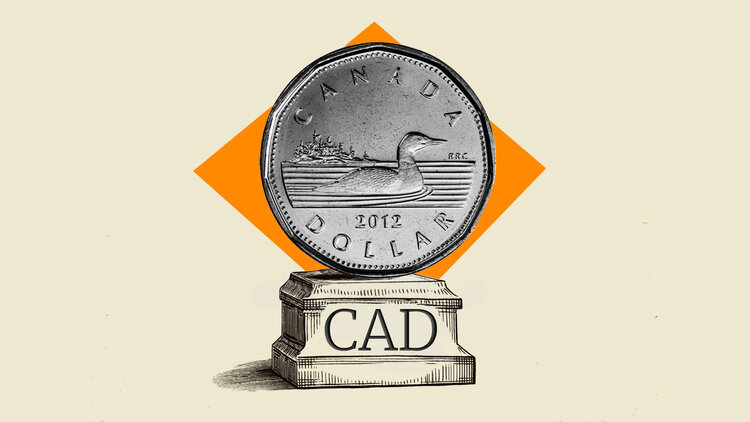
This is a summary of the main highlights following the BoC’s interest rate decision earlier on Wednesday.
This is a summary of the main highlights following the BoC’s interest rate decision earlier on Wednesday.
- The Bank of Canada held its policy rate at 2.25%, as expected, reinforcing a cautious, wait-and-see stance amid lingering uncertainty.
- Beyond the near term, the growth outlook remains soft: 2026 GDP remains at 1.1%, with a sharp downgrade to flat growth in Q4 activity.
- Inflation projections edged lower, with CPI now seen averaging 2.0% in 2026, while estimates for the neutral rate were left unchanged at 2.25%–3.25%.
- Governor Tiff Macklem struck a sober tone on trade, warning that adjustment to US tariffs will be long-lasting and that the era of open, rules-based trade with the US is effectively over.
- Macklem highlighted the increasing geopolitical risks, acknowledging the dent in the US Dollar's safe-haven role and emphasising the crucial need to maintain the Federal Reserve's independence.
Bank of Canada FAQs
The Bank of Canada (BoC), based in Ottawa, is the institution that sets interest rates and manages monetary policy for Canada. It does so at eight scheduled meetings a year and ad hoc emergency meetings that are held as required. The BoC primary mandate is to maintain price stability, which means keeping inflation at between 1-3%. Its main tool for achieving this is by raising or lowering interest rates. Relatively high interest rates will usually result in a stronger Canadian Dollar (CAD) and vice versa. Other tools used include quantitative easing and tightening.
In extreme situations, the Bank of Canada can enact a policy tool called Quantitative Easing. QE is the process by which the BoC prints Canadian Dollars for the purpose of buying assets – usually government or corporate bonds – from financial institutions. QE usually results in a weaker CAD. QE is a last resort when simply lowering interest rates is unlikely to achieve the objective of price stability. The Bank of Canada used the measure during the Great Financial Crisis of 2009-11 when credit froze after banks lost faith in each other’s ability to repay debts.
Quantitative tightening (QT) is the reverse of QE. It is undertaken after QE when an economic recovery is underway and inflation starts rising. Whilst in QE the Bank of Canada purchases government and corporate bonds from financial institutions to provide them with liquidity, in QT the BoC stops buying more assets, and stops reinvesting the principal maturing on the bonds it already holds. It is usually positive (or bullish) for the Canadian Dollar.

يعتمد أكثر من مليون مستخدم على FXStreet للحصول على بيانات سوقية لحظية، وأدوات رسوم بيانية، ورؤى خبراء، وأخبار الفوركس. يساعد تقويمهم الاقتصادي الشامل والندوات التعليمية عبر الويب المتداولين على البقاء على اطلاع واتخاذ قرارات محسوبة. لدى FXStreet فريق يضم حوالي 60 محترفًا موزعين بين مقر برشلونة ومناطق عالمية مختلفة.
اقرأ المزيد








