




Oil Price surpasses $117 a barrel due to Iran War in 2026: Should You Buy Oil now?
Key Takeaways
Oil surged because the Iran war disrupted the Strait of Hormuz Oil supply and shipping routes.
Oil may still be tradable or investible in the short term, but volatility is extremely high.
Long term, oil is unlikely to stay at crisis levels because supply responses and policy intervention should eventually cap prices.
What is happening in the Iran War that is pushing Oil Prices?
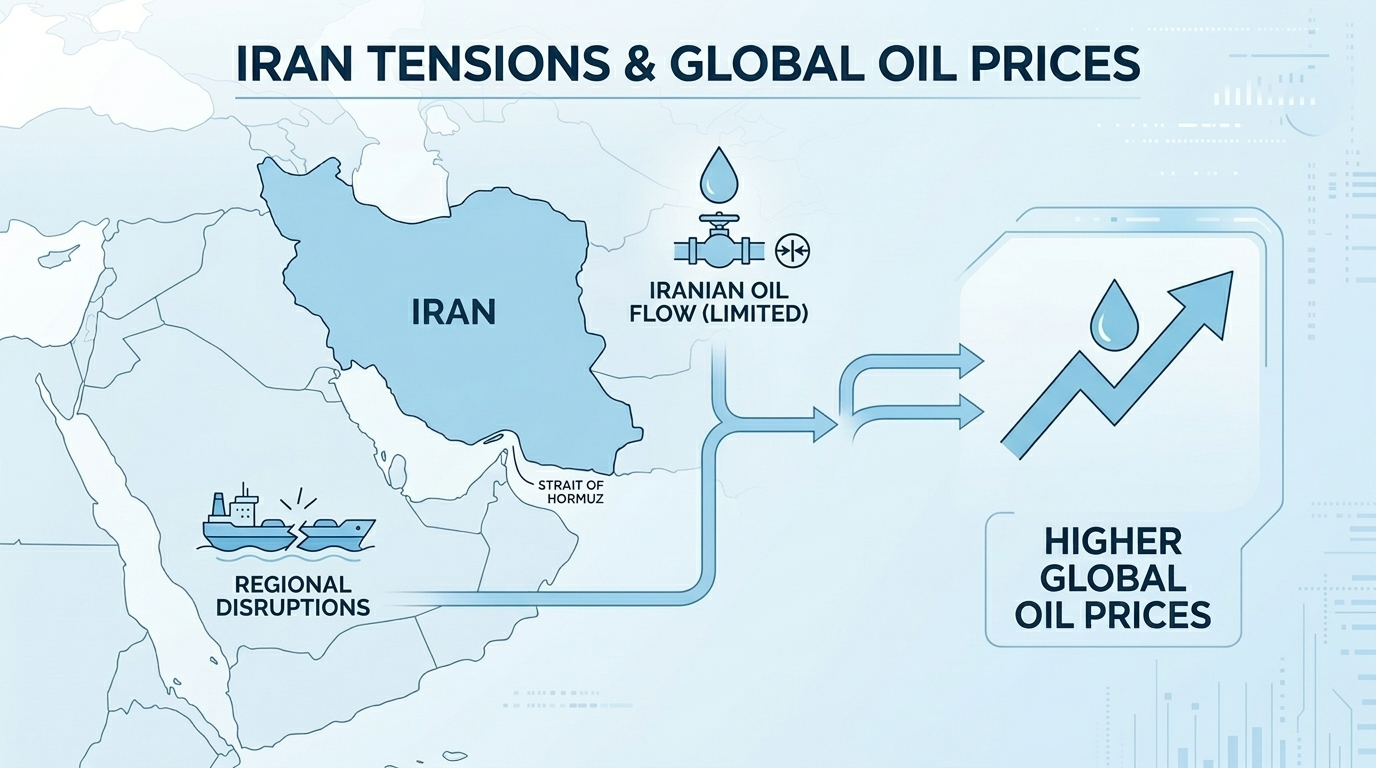
Oil is rising steeply because the market is pricing in a real Gulf supply shock (Closure of Strait of Hormuz), not just a geopolitical headline. The current move is being driven by two linked forces: physical disruption to oil production and exports across the Gulf, and the disruption of Strait of Hormuz, affecting 1/5 of Global Crude Oil and LNG supply, after all, supply and demand is the main driver for oil prices.

Brent Price and WTI Price both exploded higher as the war escalated.
On March 9, Brent and WTI futures each traded as high as about $119.50 intraday, their highest levels since 2022, before falling sharply on March 10 to roughly $92.45 for Brent and $88.65 for WTI. That price action matters because it shows the market is still highly sensitive to every headline, and that the war premium is now firmly built into oil.
1. Strait of Hormuz: The core reason oil spiked
The daily tanker traffic through the strait dropped to zero from 37 within days of the first attacks. This is the most important reason oil surged, because traders are worried about the entire Gulf export system, including flows from Iraq, Kuwait, Saudi Arabia, the UAE and Qatar.
2. Production cuts and infrastructure damage across Main Oil Suppliers
Iraq’s main southern oilfield output fell 70% to about 1.3 million barrels per day because exports via Hormuz were blocked and storage filled up.
Kuwait also began reducing output and declared force majeure.
Saudi Arabia has started trimming output.
Bahrain’s Bapco declared force majeure after an attack on its refinery complex.
Iran War on Oil Prices: Should you Trade or Buy Oil in 2026? (Analysis: Technical & Fundamental)
In short, yes, but only with caution.
Oil prices already surged above $115 and then pulled back to around $89 per barrel. That does not mean the oil bull case is over. It means the market is now trading the war premium aggressively.
The short term case still supports buying or trading oil because supply remains constrained and the Strait of Hormuz risk has not fully cleared. As long as that disruption remains unresolved, oil prices can stay elevated.
That said, this is not a stable long term breakout. It is a war driven market with violent headline sensitivity. Tight stop losses remain necessary because futures are still implying lower prices later in 2026 if supply stabilizes.
Technical Analysis: Crude Oil Forecast for 2026
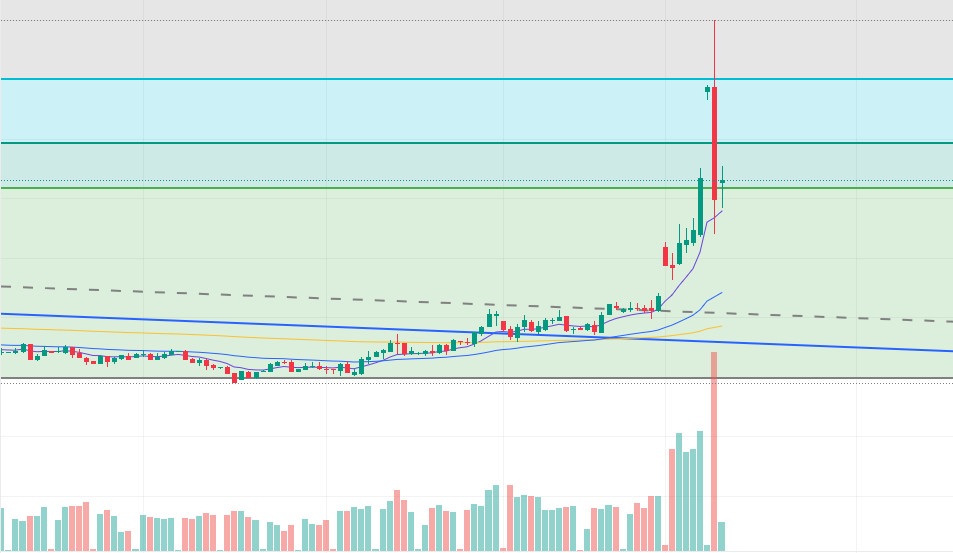
Technically, oil has followed a typical geopolitical move: a strong breakout, a sharp rally, and then a steep pullback. Price broke above a major multi month resistance level, briefly retested support, and then moved higher. After the rejection near the latest resistance, the market now looks more likely to move sideways first before deciding on the next trend.
The latest candlestick also shows indecision, with both selling pressure from above and buying support from below. Overall, the technical view still supports a cautious bullish outlook.
Key resistance: $115 to $120, which is now the main upside barrier after the recent spike.
Key support: $88 to $92, with buying interest around $88 to $90, supported by Fibonacci, EMA levels, and a bullish hammer candlestick.
Spread signals: Both the Brent WTI spread and crack spread have rebounded, which supports the short term bullish case.
Fundamental Analysis: What Will Oil Prices Be in 2026?
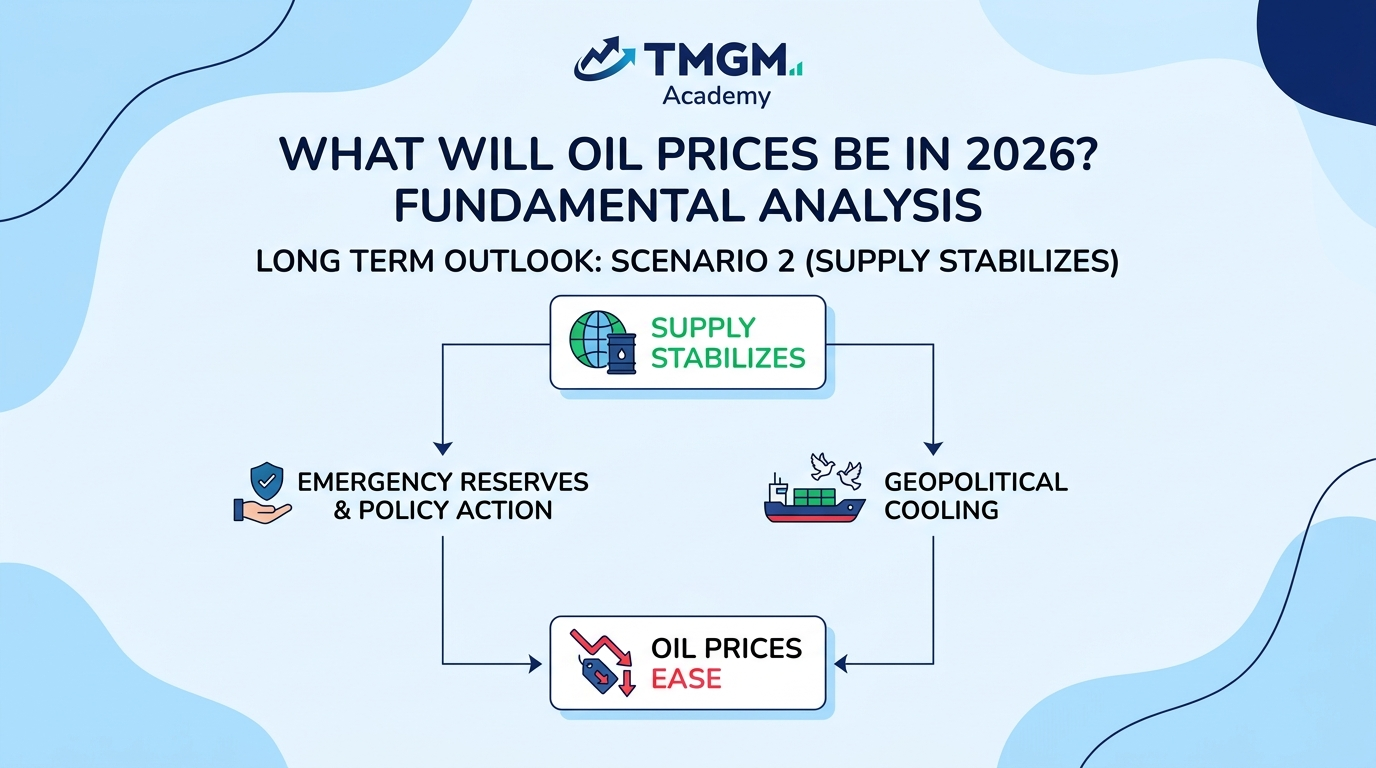
Fundamentally, oil prices remain supported because supply is tight and markets are still nervous about disruption. The main risk is whether this remains a short term shock or becomes a broader economic problem. Asia is likely to feel the impact first because it depends more heavily on Middle Eastern crude, which means higher import costs, refinery pressure, and inflation risk could appear there before the full effect is felt in the United States.
Near term support: Oil can still trade with a war premium because emergency reserves have been discussed but not meaningfully released yet.
Market view: The futures curve still suggests a short term supply shock rather than a permanent structural shortage.
Long term path: If disruption continues, prices may stay high longer; if supply stabilizes through reserves, policy action, or easing tensions, prices should gradually fall.
One line takeaway:
The short term outlook remains bullish, while the longer term direction depends on whether supply disruption persists or starts to normalize.
Iran U.S. War: Final Verdict & Long Term Outlook
In conclusion, oil can stay high in the short term, but it is unlikely to stay permanently extreme.
The reason is simple: Oil prices above crisis levels eventually become politically and economically intolerable. If prices stay too high for too long, they begin to crush demand, raise inflation, and force governments to intervene and increase the incentive for emergency stock releases, sanction adjustments and diplomatic pressure.
That is why many analysts lean towards emergency reserve releases, coordinated intervention, and stronger peace efforts are likely to become more serious once the economic damage becomes obvious.
The final verdict is simple. The short term outlook remains supportive for oil while disruption lasts. The longer term outlook is more neutral because extreme oil prices tend to trigger the very response that brings them back down. Hence, if you want to learn how to trade oil and how to choose a good oil trading platform, now is probably the best time.













