[TMGM Financial Breakfast] Gold Rebounds Within Range as Weaker Dollar and U.S.–Iran Talks Support Prices
Gold prices have staged a notable rebound, driven by a clear combination of factors. The U.S. dollar index has fallen to a six-week low, while optimism over a potential resumption of U.S.–Iran negotiations has increased, easing both safe-haven demand and inflation concerns that had previously weighed on the market.
On the geopolitical front, the situation shows signs of a potential shift. Following the collapse of U.S.–Iran talks over the weekend, the U.S. imposed a naval blockade on Iranian ports, briefly pushing risk sentiment higher. However, sources indicate that negotiation teams from both countries may return to Islamabad this week to resume substantive discussions aimed at ending the conflict. Countries such as Pakistan, Turkey, and Egypt are actively mediating. U.S. President Donald Trump also stated at the White House that appropriate Iranian representatives have made contact and expressed a strong willingness to reach an agreement.

Fundamental data has further supported gold. U.S. March Producer Price Index (PPI) rose 0.5% month-on-month, below expectations of 1.2%, and increased 4.0% year-on-year, also below the expected 4.6%. While energy prices remain elevated due to the conflict, stable service costs suggest that overall inflation pressures are not as severe as feared. Chicago Fed President Austan Goolsbee noted that inflation expectations remain broadly stable, though he warned that if inflation does not cool further, the scope for rate cuts in 2026 could narrow.
Market pricing for Fed rate cuts this year has declined to around 28%, and the high-rate environment continues to weigh on gold as a non-yielding asset. However, Commerzbank pointed out that as long as markets are not seriously considering additional rate hikes, gold is unlikely to see further significant downside.
Looking ahead, gold’s direction will depend heavily on the progress of negotiations in Pakistan and any developments before the weekend. Positive news could drive further gains. Meanwhile, the combination of a weaker dollar and falling oil prices provides dual support for gold, as extreme concerns over liquidity demand and energy supply seen at the onset of the conflict have eased.
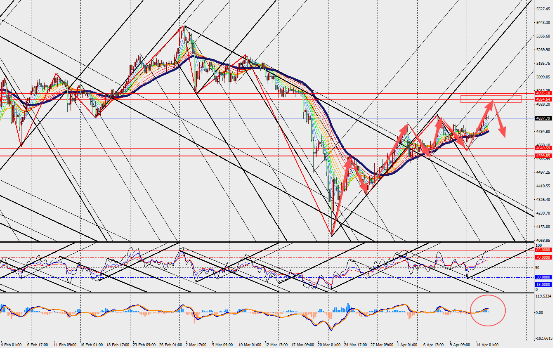
In the near term, gold’s upside remains limited. Without a clear catalyst, prices are expected to remain range-bound. Overall, the current rebound reflects a combination of easing safe-haven demand, dollar weakness, and a temporary moderation in inflation concerns. Hopes for renewed negotiations have improved risk sentiment while providing gold with some breathing room.
Market Interpretation:
On the four-hour chart, gold continues to rebound, with MACD lines and volume bars expanding above the zero axis but showing signs of slowing momentum. A sustained breakout from the current range will likely require meaningful progress in U.S.–Iran negotiations, a sharper decline in oil prices, and a renewed rise in expectations for Federal Reserve easing.