

Trade The World
Crypto World in Turmoil! Trump Pardons Binance’s Changpeng Zhao; Markets Rally in Celebration as Regulation May Be at a Turning Point
By Abel Gao
Date Published: 24 Oct 2025 | Date Modified: 15 Dec 2025


POPULAR ARTICLES

U.S. President Donald Trump has officially pardoned Binance founder Changpeng Zhao, triggering notable volatility across the cryptocurrency market and potentially signaling a major shift in U.S. crypto regulation. Market data show broad-based gains among major cryptocurrencies, while the industry watches closely for how this move could reshape the global regulatory landscape.
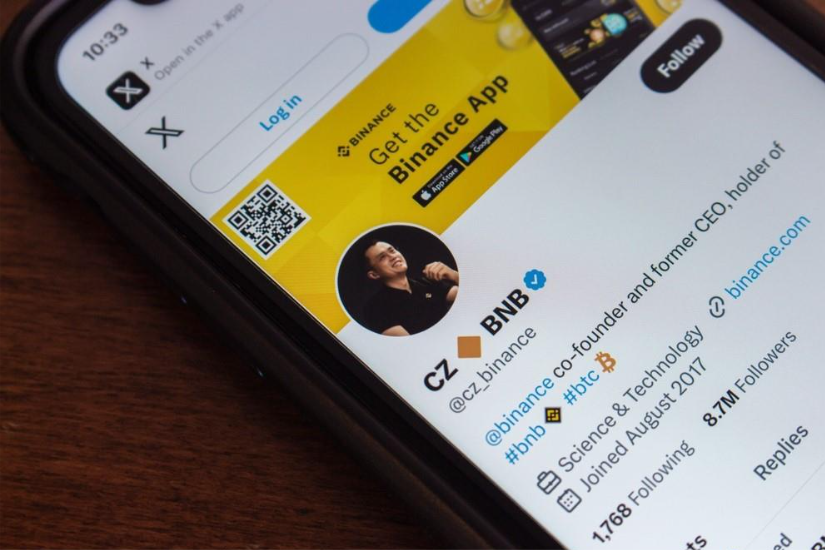
On October 23, U.S. President Donald Trump signed a pardon granting unconditional clemency to Changpeng Zhao, founder of Binance, the world’s largest cryptocurrency exchange. White House Press Secretary Karoline Leavitt later issued a statement confirming the move. On X, Zhao wrote that he was “deeply grateful for today’s pardon and for President Trump’s upholding of America’s commitment to fairness, innovation, and justice.”
Zhao had previously faced legal action over Binance’s violations of U.S. anti–money laundering regulations. According to public records, in 2023 Binance admitted it failed to maintain an effective AML program and paid a $4.3 billion fine to U.S. authorities. Zhao himself was sentenced in 2024 to four months in prison.
Market Reaction
Following the pardon announcement, the crypto market saw a pronounced swing. Data showed Binance’s exchange token BNB jumped as much as 8%, reaching a high of $1,137 before settling around $1,115, with an intraday gain holding near 5%.
Other major cryptocurrencies also moved higher: Bitcoin rose 3% and Ether climbed 3.7%. World Liberty Financial (WLFI), a token associated with the Trump family, surged more than 15%.
Jaime Baeza, managing partner at crypto hedge fund AnB Investments, described the move as a “relief rally.”
Policy Background Analysis
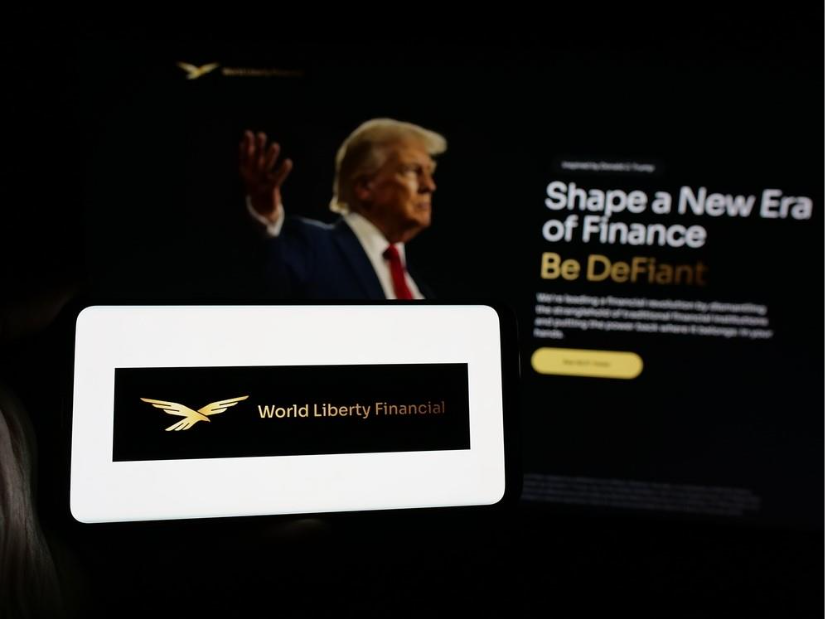
The pardon comes against the backdrop of the Trump administration recalibrating its approach to cryptocurrency regulation. Notably, the Trump family has ties to the crypto industry. Public information indicates that World Liberty Financial, a crypto company co-founded by Trump and his son, generated about $4.5 billion in revenue after the 2024 election. Trump’s financial disclosure reportedly shows he earned more than $57 million from World Liberty Financial last year. Binance has been one of the key supporters of the Trump family’s crypto project and is said to have written the code for World Liberty Financial’s USD1 stablecoin.
A Binance spokesperson stated immediately after the pardon: “We will do everything we can to help the United States become the crypto capital.” Industry observers interpreted this as a signal that Binance will work closely with the Trump administration to shape the future of the U.S. crypto sector.
Senator Elizabeth Warren of Massachusetts criticized the decision on X, saying: “CZ pleaded guilty to criminal money-laundering charges and was sentenced to prison. Then he funded President Trump’s stablecoin and lobbied for a pardon. Today, he got it.”
Industry Impact Assessment
The pardon could have far-reaching consequences for the crypto industry. In the short term, it removes legal uncertainty around Binance and its founder, creating conditions for the company to expand its U.S. business.
From a regulatory perspective, Seoyoung Kim, a finance professor at Santa Clara University, noted: “While the pardon resolves Changpeng Zhao’s personal legal issues, Binance would still need to go through the approval processes of the Securities and Exchange Commission and the Commodity Futures Trading Commission to regain full operating status in the U.S.”
Even so, markets believe the pardon makes it likely that Binance’s return to the U.S. has been paved. Ian Weisberger, CEO of algorithmic trading platform CoinRoutes, argued that if Binance can resume operations in the U.S., it would open the world’s largest crypto marketplace to American investors—potentially a “game-changer” for the U.S. crypto market.

Global Market Outlook
Trump’s pardon of Zhao, combined with his previously supportive stance toward the crypto industry, suggests the U.S. may shift toward a more crypto-friendly regulatory environment. Analysis from Brave New Coin indicates that if Zhao can return to Binance’s leadership—or at least exert influence again as its largest shareholder—it could help restore the company’s global dominance.
This would be especially true if U.S. regulators, under a friendlier administration, loosen oversight. The move could also set a precedent for other crypto executives, potentially encouraging more lobbying for leniency.
However, some analysts warn that unless Binance thoroughly reforms its compliance culture, this could amount to a “flashy political gesture” with only short-lived effects.

FXStreet
More than a million users rely on FXStreet for real-time market data, charting tools, expert insights, and forex news. Its comprehensive economic calendar and educational webinars help traders stay informed and make calculated decisions. FXStreet is supported by a team of about 60 professionals, split between the Barcelona headquarters and various global regions.
Read More








