[TMGM Financial Breakfast] Gold Caught in Rare Tug-of-War — Future Direction May Depend on a Single Comment from Powell
Oleh Aiko Tanaka
Diperbarui: 17 Mar 2026


ARTIKEL POPULER

Gold investors are entering the most critical week of the year. The wording of Federal Reserve Chair Jerome Powell could be just as important as the Fed’s interest rate decision itself. His remarks on the impact of rising oil prices could move gold by hundreds of dollars in a single trading day.
Gold investors are about to face one of the most important moments of the year. The Federal Reserve will hold its policy meeting on March 17–18, and comments from Fed Chair Jerome Powell this week could drive gold prices sharply in either direction.
As of Monday, spot gold is hovering around the $5,000 level. Pressured by a stronger U.S. dollar, gold prices have declined steadily over the past two weeks. This upcoming Federal Reserve meeting comes under unusual circumstances. Oil prices have surged above $100 per barrel, the February employment report significantly missed expectations, and core inflation remains elevated. In addition, this will be the second-to-last Fed meeting before Powell’s term ends in May.
In theory, the relationship between gold and Federal Reserve interest rate policy is straightforward: when the Fed cuts rates, real yields fall, the dollar weakens, and gold rises. Conversely, if the Fed maintains rates or signals a longer period of high interest rates, the opposite tends to occur.
The problem now is that economic data is sending mixed signals. Oil prices above $100 support a cautious stance from the Fed, while the February employment report showed the economy lost 92,000 jobs and unemployment rose to 4.4%, which supports a more accommodative policy outlook. JPMorgan has described the current environment as a collision between geopolitical concerns and a strong rebound in the U.S. dollar. This rare combination has made short-term predictions for gold unusually difficult.
Wall Street’s base case is that the Federal Reserve will keep interest rates within the 3.5%–3.75% range. The dot plot may also signal fewer rate cuts than previously expected.
Goldman Sachs has already pushed its expectation for the first rate cut back to September. Expectations for rate cuts in 2026 have cooled significantly compared with just a few weeks ago. Before the Iran conflict erupted, markets were almost certain that rate cuts would begin in June. That confidence has now disappeared. If Powell emphasizes that rising energy costs complicate the inflation outlook, real yields could rise further and the U.S. dollar could strengthen. Historically, this combination has placed pressure on gold prices. Gold has already retreated significantly from its January record high of $5,595, and a hawkish stance from Powell could accelerate this correction.
In past periods when oil-driven inflation shocks caused the Fed to maintain interest rates, gold prices fell by an average of 12% over the following six months. If history repeats itself, gold could decline toward the $4,400 level.
However, if Powell acknowledges weakening conditions in the labor market and signals that the Fed still expects to cut rates later this year, gold prices could rebound quickly. The latest employment data gives him room to adopt that stance. A single-month loss of 92,000 jobs is not a figure the Federal Reserve can easily ignore.
Market Interpretation:
Regardless of the Federal Reserve’s decision, structural demand for gold suggests that a prolonged collapse in prices is unlikely. Central banks have purchased more than 1,000 tons of gold annually for three consecutive years, far above the average levels seen in the decade prior to 2022. The Fed meeting may serve as a short-term catalyst rather than a structural turning point. For gold investors, the key question is not whether to hold gold, but how much volatility they are willing to endure.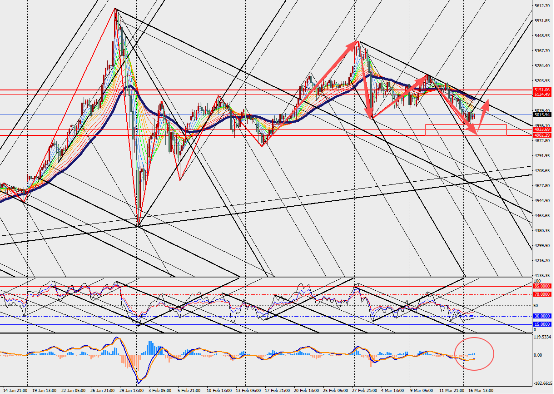

Aiko Tanaka is our precious metals specialist with 10 years of experience in commodity markets. She holds a degree in Geology and professional certification in Commodity Market Analysis, covering gold, silver, platinum, and palladium markets with mining industry insights. Alongside her analysis, Aiko has authored thought-leadership pieces on commodities and contributes educational content aimed at new investors in the sector.
Baca Selengkapnya