Euro: Yield spread pressure on EUR – ABN AMRO
Oleh FXStreet Insights Team
Diperbarui: 21 May 2026


ARTIKEL POPULER
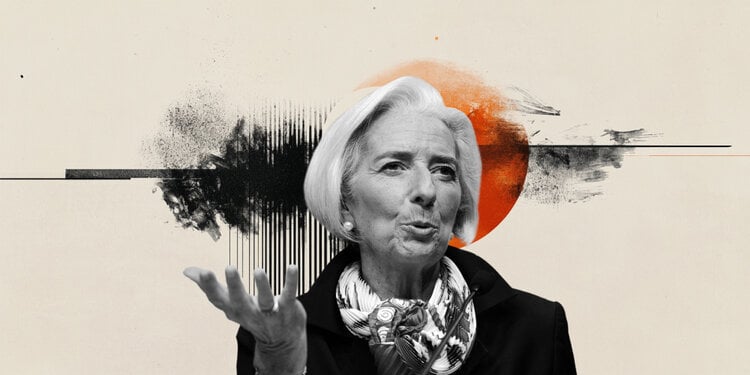
Georgette Boele at ABN AMRO highlights that both the Euro and Sterling have fallen about 0.9% against the US Dollar since mid-May, driven by energy markets and bond yields.
Georgette Boele at ABN AMRO highlights that both the Euro and Sterling have fallen about 0.9% against the US Dollar since mid-May, driven by energy markets and bond yields. She notes rising US Treasury yields and fading expectations of Federal Reserve rate cuts contrast with stable European Central Bank pricing. This widening yield gap is adding short-term pressure on the Euro versus the Dollar.
Fed repricing and eurozone yield lag
"US Treasury yields have risen more quickly than government bond yields in the eurozone, putting additional pressure on the euro."
"US Treasury yields have risen more quickly than government bond yields in the eurozone, putting additional pressure on the euro. In the short term, currency markets continue to be affected by developments in the Middle East, which are impacting both bond markets and the monetary policy outlook of major central banks."
"Sterling and euro both fell versus the US dollar this week. Energy prices drove much of the move."
"Both currencies have dropped by about 0.9% against the US dollar since 13 May."
"Currency markets, including sterling, have been heavily influenced by changes in oil and gas prices."
"Currency markets have been influenced not only by changes in energy prices but also by movements in bond markets and expectations about the US Federal Reserve."
"The market no longer expects the Fed to cut interest rates this year or next; some investors are even predicting a rate increase by the end of the year (with 18 basis points priced in)."
(This article was created with the help of an Artificial Intelligence tool and reviewed by an editor.)
Lebih dari satu juta pengguna mengandalkan FXStreet untuk data pasar real-time, alat charting, wawasan ahli, dan berita forex. Kalender ekonomi komprehensif dan webinar edukatif membantu trader tetap mendapat informasi dan membuat keputusan terukur. FXStreet memiliki sekitar 60 profesional yang tersebar antara kantor pusat Barcelona dan berbagai wilayah global.
Baca Selengkapnya