[TMGM Financial Breakfast] U.S.–Iran Ceasefire Breaks the High Oil Price Cycle — Gold Regains Valuation Support
The two sides announced a two-week ceasefire, with Iran committing to keep the Strait of Hormuz open and ensure safe passage for oil tankers. This agreement removes one of the biggest uncertainties surrounding global energy supply chains. President Trump stated that Washington has agreed to pause military actions for two weeks and has received a ten-point proposal from Iran as a basis for negotiations.
While the news has triggered a short-term return of safe-haven flows, the primary driver is not rising geopolitical fear but rather cooling inflation expectations, which are improving interest rate sensitivity for gold.

Energy markets reacted sharply. Crude oil prices fell to around $97 per barrel, significantly down from peak levels during the conflict. Investors are now reassessing the inflation risk premium driven by energy. In a high interest rate environment, gold typically comes under pressure due to rising opportunity costs. However, the ceasefire has broken the previous negative feedback loop of high oil prices, rising inflation, and expectations of Fed tightening.
The Strait of Hormuz, which accounts for about 20% of global oil transportation, plays a critical role in global energy supply. Iran’s commitment to maintaining open passage reduces supply disruption risks. Previously, markets feared that prolonged conflict would push energy costs higher and feed into core inflation. The ceasefire reverses this trajectory.
Lower energy prices are expected to ease global inflation pressures in 2026, particularly by reducing U.S. import costs and alleviating upward pressure on producer prices. As a result, markets are adjusting their expectations for energy-driven inflation, and the pressure on gold from rising real yields is easing.
Although the Federal Reserve’s policy rate remains in the 3.5% to 3.75% range, declining energy prices reduce the need for further rate hikes. During the conflict, markets had feared that inflation would force the Fed to delay easing or even tighten further. The ceasefire has reversed that narrative.
Fed funds futures now show a slight increase in the probability of rate cuts, with expectations shifting from zero cuts to potentially one 25-basis-point cut in 2026. Gold is highly sensitive to real interest rates, and this shift in expectations directly supports its valuation. While gold typically suffers in a high-rate environment due to its lack of yield, easing inflation pressures reduce the likelihood of further increases in real rates.
From a market perspective, the balance between gold’s holding cost and its safe-haven value is being recalibrated.
Market Interpretation:
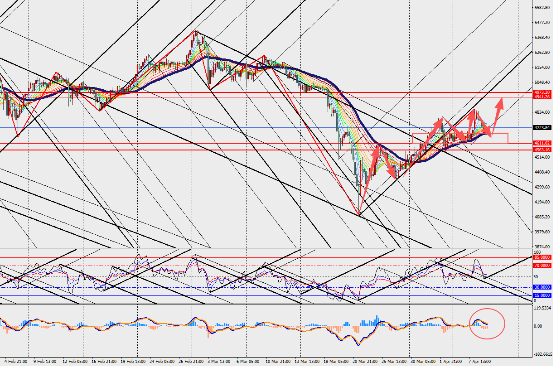
Spot gold has declined more than 8% since the conflict began, mainly due to the combined pressure of a stronger U.S. dollar and higher interest rates. Although the ceasefire reduces geopolitical uncertainty, it does not eliminate long-term risk premiums.
Gold still faces structural pressure from elevated real yields, but the downward adjustment in inflation expectations has opened room for valuation recovery. Future price movements will depend on the sustainability of the ceasefire, the pace of oil inventory rebuilding, and the Federal Reserve’s actual policy actions.
If the agreement breaks down, gold could once again return to a risk-premium-driven rally.