

Trade The World
UK’s Reeves could raise revenues by imposing a windfall tax on banks — Bloomberg
Ni Lallalit Srijandorn
Petsa ng Pag-publish: 29 Aug 2025 | Petsa ng Pag-edit: 29 Aug 2025


POPULAR ARTICLES
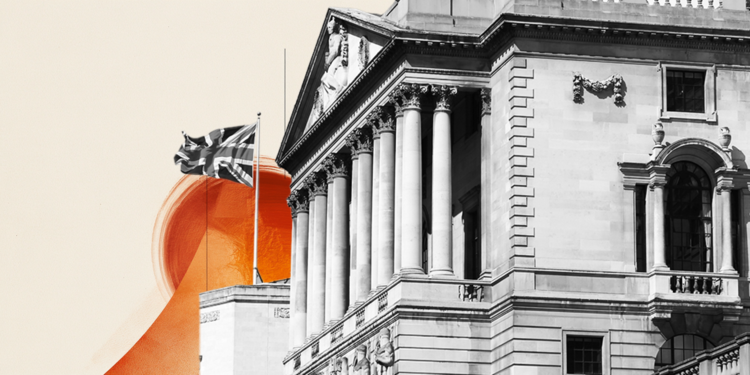
UK Chancellor of the Exchequer Rachel Reeves could boost revenues by imposing a windfall tax on commercial lenders to recover the profits they are making from taxpayers on deposits held at the Bank of England (BoE), Bloomberg reported on Friday.
UK Chancellor of the Exchequer Rachel Reeves could boost revenues by imposing a windfall tax on commercial lenders to recover the profits they are making from taxpayers on deposits held at the Bank of England (BoE), Bloomberg reported on Friday.
The Institute for Public Policy Research estimates such a levy would raise £32.3 billion over the current five-year parliament and give Reeves £3.6 billion of extra headroom against her main fiscal rule.
Market reaction
As of writing, the GBP/USD pair was down 0.02% on the day at 1.3510.
BoE FAQs
The Bank of England (BoE) decides monetary policy for the United Kingdom. Its primary goal is to achieve ‘price stability’, or a steady inflation rate of 2%. Its tool for achieving this is via the adjustment of base lending rates. The BoE sets the rate at which it lends to commercial banks and banks lend to each other, determining the level of interest rates in the economy overall. This also impacts the value of the Pound Sterling (GBP).
When inflation is above the Bank of England’s target it responds by raising interest rates, making it more expensive for people and businesses to access credit. This is positive for the Pound Sterling because higher interest rates make the UK a more attractive place for global investors to park their money. When inflation falls below target, it is a sign economic growth is slowing, and the BoE will consider lowering interest rates to cheapen credit in the hope businesses will borrow to invest in growth-generating projects – a negative for the Pound Sterling.
In extreme situations, the Bank of England can enact a policy called Quantitative Easing (QE). QE is the process by which the BoE substantially increases the flow of credit in a stuck financial system. QE is a last resort policy when lowering interest rates will not achieve the necessary result. The process of QE involves the BoE printing money to buy assets – usually government or AAA-rated corporate bonds – from banks and other financial institutions. QE usually results in a weaker Pound Sterling.
Quantitative tightening (QT) is the reverse of QE, enacted when the economy is strengthening and inflation starts rising. Whilst in QE the Bank of England (BoE) purchases government and corporate bonds from financial institutions to encourage them to lend; in QT, the BoE stops buying more bonds, and stops reinvesting the principal maturing on the bonds it already holds. It is usually positive for the Pound Sterling.

FXStreet
Higit sa isang milyong user ang umaasa sa FXStreet para sa real-time market data, charting tools, expert insights, at Forex news. Ang komprehensibong economic calendar at educational webinars nito ay tumutulong sa mga trader na manatiling may alam at gumawa ng kalkuladong mga desisyon. Sinusuportahan ang FXStreet ng humigit-kumulang 60 propesyonal sa pagitan ng Barcelona HQ at iba’t ibang rehiyon sa buong mundo.
Read More








