What can be traded in a commodities market
Before we look at each contract in detail, it helps to group the most traded commodities into clear categories. This gives beginners a simple mental map of the market and shows how many different commodities examples there are.
Energy commodities
- Crude oil
- Natural gas
These are used to power transport, industry, and households and are central to inflation and growth.
Precious and industrial metals
- Gold and silver
- Copper and other base metals
Metals are used in jewellery, investment, construction, electronics, and green energy projects.
Agricultural and soft commodities
- Coffee and cotton
- Wheat and soybeans
These products are linked to food security, consumer goods, and the global textile industry.
Bulk industrial materials
- Iron ore
Iron ore is central to steel production and large scale construction.
Across these groups you can see a wide list of what can be traded in a commodities market. Each asset responds to a different mix of supply, demand, weather, policy, and sentiment, which is why traders often specialise in one or two clusters of top commodities rather than trading everything at once.
Crude Oil: The Lifeblood of the Modern Economy

Crude oil is one of the most traded commodities on the planet. It fuels transport, powers industry, and sits at the centre of global supply chains. Traders often focus on two main benchmarks, West Texas Intermediate and Brent crude, each with its own characteristics and pricing dynamics. If you want to dig deeper into how this market works in practice, a dedicated guide on crude oil trading can be helpful.
Oil prices are highly sensitive to geopolitical tensions, production decisions from large exporters, supply disruptions, and global growth expectations. This constant flow of news and data makes crude oil one of the top commodities for active traders, whether they are hedging exposure or speculating on price moves. Education on how to trade oil is especially important before using leverage on this volatile market.
Natural Gas: A Rising Star Among Energy Commodities
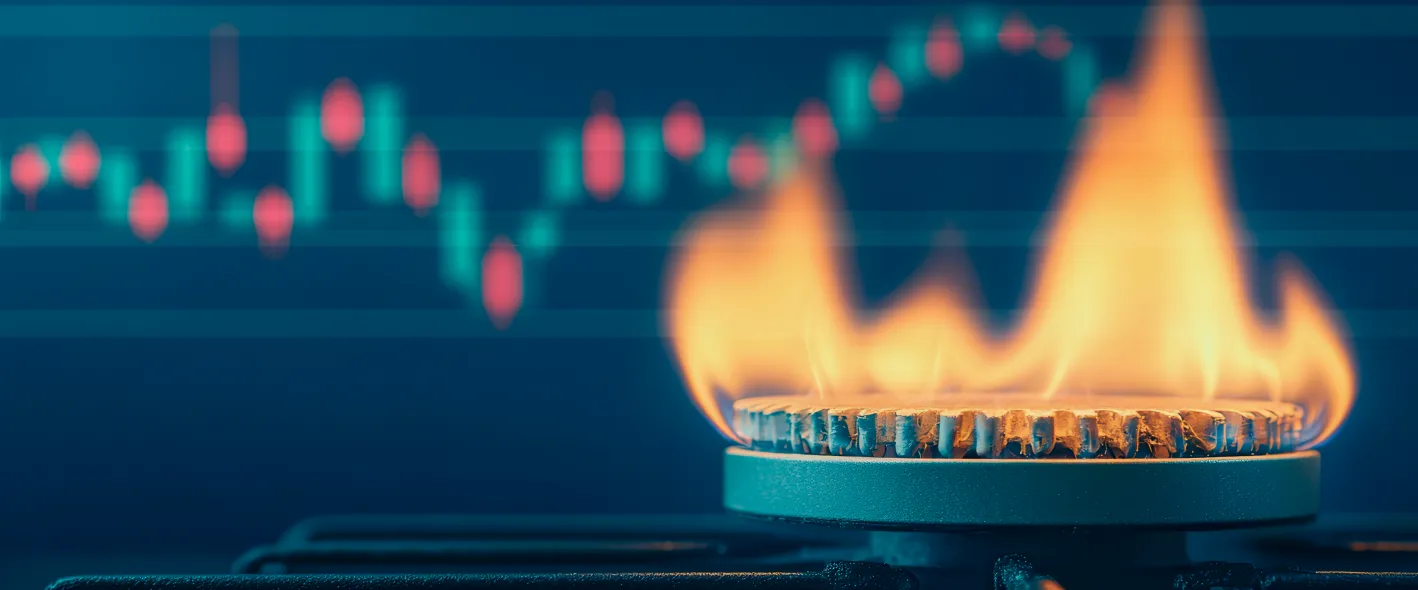
Natural gas has emerged as a key player in the energy complex as countries look for cleaner burning alternatives to coal and oil. It is widely used for power generation, industrial processes, and heating, which ties demand closely to weather patterns and economic activity.
As more economies transition toward lower carbon energy mixes, natural gas has seen stronger trading interest. Contracts linked to gas now rank among the most traded commodities in the energy space, with prices driven by storage levels, pipeline flows, liquefied natural gas shipments, and policy decisions. For traders, it sits alongside oil within the broader energies market.
Gold: The Traditional Safe-Haven Asset

Gold has held its status as a store of value and safe haven for centuries. It is one of the classic top commodities for investors who want a potential hedge against inflation, currency weakness, or financial stress. Modern traders can access gold through spot markets, futures, and contracts for difference, with many starting by learning what is gold trading.
Gold prices respond to real interest rates, central bank policy, inflation data, and changes in risk appetite. Because it trades around the clock with deep liquidity, gold is one of the most traded commodities among both retail and institutional participants. For those building portfolios around metals, the broader precious metals complex is also worth exploring.
Silver: Industrial Demand and Investment Appeal Combined
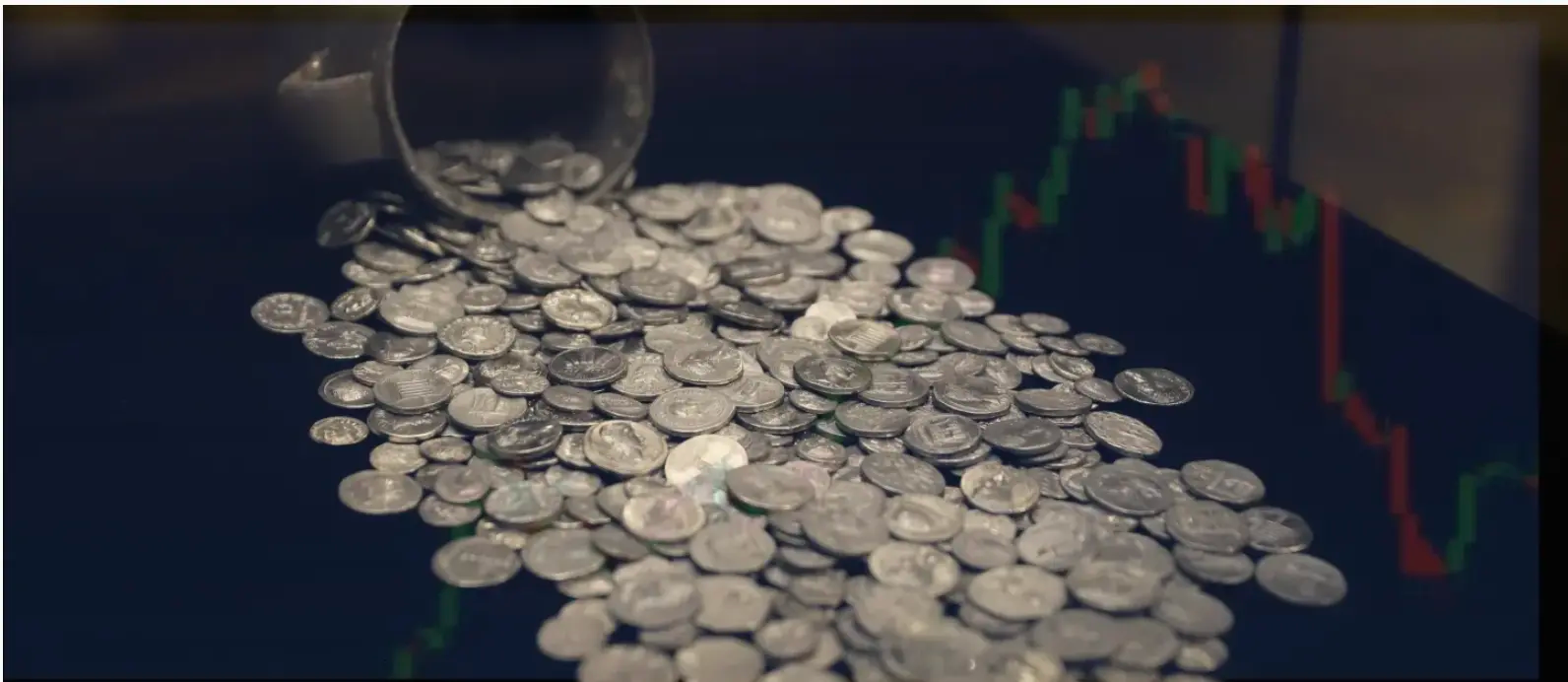
Silver shares some safe haven features with gold but has a stronger link to industry. It is used in electronics, solar panels, medical equipment, and many other applications. This mixed profile means silver prices are influenced by both investment flows and the pace of economic and technological growth.
For traders looking at top commodities within the metals space, silver stands out for its volatility and relatively lower price point compared with gold. Educational pieces on how to trade silver can help explain contract sizes, margin, and the main factors that move this market.
Copper: The Bellwether for Global Economic Health

Copper is deeply embedded in construction, infrastructure, and electrical applications, which makes it a widely watched indicator of economic health. Rising copper prices often signal strong demand from building, manufacturing, and clean energy projects, while falling prices can hint at slowing activity.
Because of this tight link to growth, copper is a favourite among traders who want exposure to the economic cycle through a single contract. It is firmly on the list of most traded commodities in the base metals group. Those new to the market often start with educational material on how to trade copper and more general overviews of trading metals.
Coffee: The World’s Most Popular Beverage Commodity

Coffee is one of the most traded commodities in the softs category. Demand spans nearly every country, with millions of people starting their day with a cup. This constant consumption supports deep and active markets centred on major producing regions in Latin America, Africa, and Asia.
Prices are closely tied to weather events, crop diseases, labour conditions, and shifts in consumer demand across different blends and formats. For many traders, coffee illustrates how everyday products can become important commodities examples once you view them through the lens of supply, demand, and price.
Wheat: A Staple Crop with High Global Demand
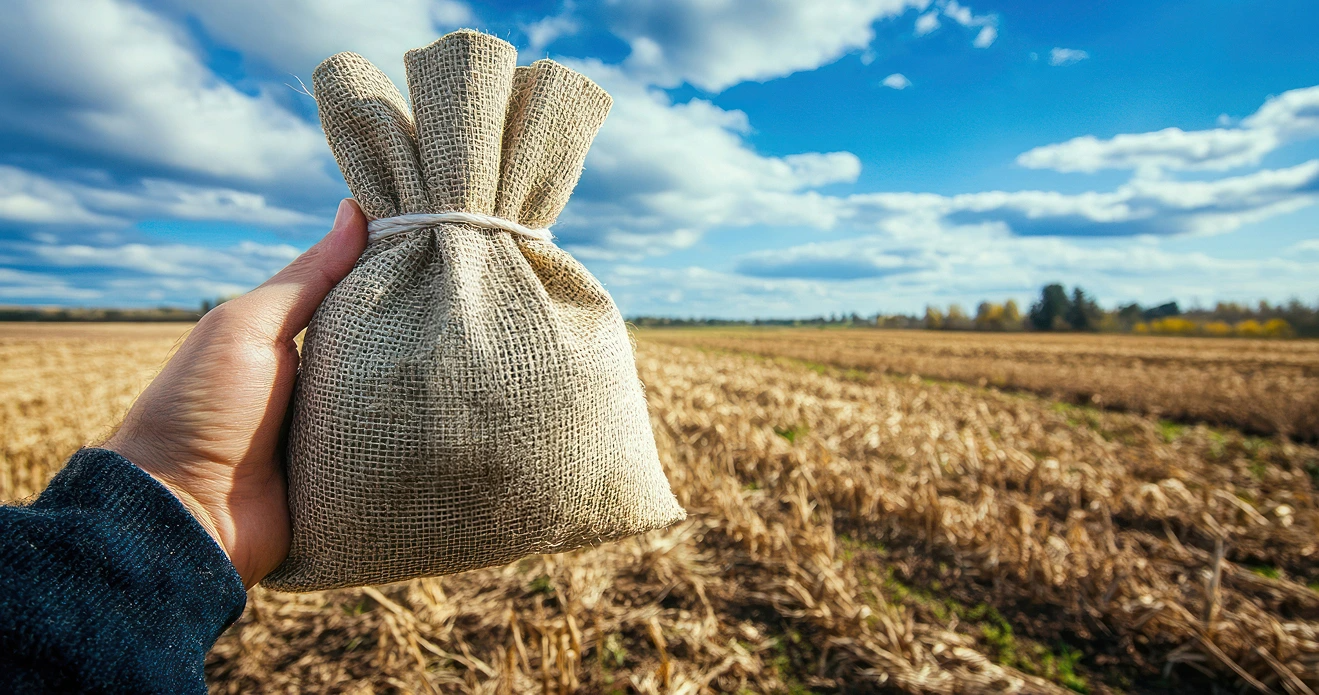
Wheat is a core staple for billions of people and a key part of global food security. It is one of the most traded commodities in agricultural markets, with major producers such as the United States, Russia, and Canada shaping global supply.
Weather patterns, geopolitical tensions, and export policies can move wheat prices sharply, which is why many producers and buyers use futures or other derivatives to manage risk. For traders, wheat and other grains offer exposure to long term trends in population growth and dietary changes.
Cotton: The Fabric of Global Fashion and Industry

Cotton underpins much of the textile industry, from clothing and footwear to household fabrics. This makes it an important component of the commodities world, with demand tightly linked to global fashion cycles and consumer spending.
Because production depends on weather, pests, and water availability, cotton prices can be volatile. Shifts in trade policy and consumer preferences, such as demand for sustainable or alternative fibres, also influence this market.
Soybeans: A Versatile Agricultural Commodity

Soybeans are a crucial crop in modern agriculture, used for animal feed, cooking oil, and as an ingredient in many food products. They are also part of the feedstock for biofuels. This broad utility has made soybeans one of the most traded commodities in the grains and oilseeds segment.
Prices respond to crop yields, weather in key growing regions such as the United States and Brazil, and trade flows between large importing and exporting countries. As global protein consumption rises, soybeans sit at the centre of many long term themes.
Iron Ore: The Backbone of Construction and Manufacturing

Iron ore is the primary raw material for steel production, which feeds directly into construction, infrastructure, and manufacturing. Because of this, iron ore sits alongside copper as a useful gauge of industrial demand, especially in fast growing economies.
Price moves are driven by output from major exporters, shifts in steel demand, and changes in environmental and industrial policy. For traders looking at what can be traded in a commodities market that tracks heavy industry, iron ore is one of the most important contracts.
Diversify Your Portfolio with the Most Traded Commodities
The most traded commodities are not just abstract contracts. They are linked to energy, housing, transport, technology, food, and fashion. That is why they can play a powerful role in a diversified trading or investment approach, especially when accessed through derivatives such as CFDs on commodities and other assets.
Each commodity comes with its own set of drivers, trading hours, and risk profile. Before you decide whether to trade them through spot, futures, or contracts for difference, it is important to understand both the potential and the pitfalls. Educational resources that explain the benefits of trading CFDs, along with detailed product and trading conditions, can help you decide which instruments and markets are the best fit for your goals and risk tolerance.
For those interested in entering the commodities market, TMGM provides a comprehensive platform with advanced tools for trading commodity CFDs, including precious metals and energy products. Visit TMGM's Portal to discover how to start trading these high-demand commodities today.