

Why Gold Holds Value
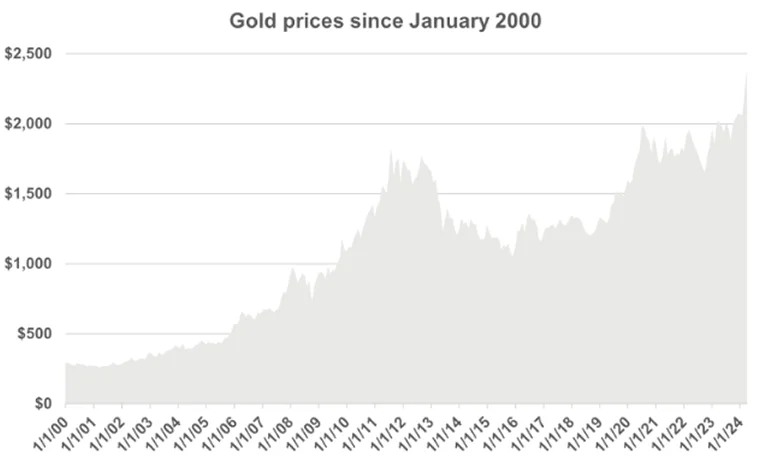
A Longstanding Store of Value: Gold’s reputation as a stable store of value is rooted in centuries of history. Unlike fiat currency, which can be influenced by inflation or central bank policies, gold holds an intrinsic value that rarely fluctuates wildly, making it attractive during economic uncertainty.
Inflation Hedge: Many investors turn to gold to preserve purchasing power, particularly when inflation erodes the value of cash or bonds. In times of high inflation, gold has historically performed well, providing security for investors.
Universal Demand: Gold is a highly liquid, globally accepted asset. Its universal appeal for industrial and investment purposes ensures continued demand, supporting its stability as a long-term investment.

Market Factors Affecting Gold in 2025
Interest Rates and Gold’s Price Relationship: Interest rates and gold have an inverse relationship; when rates are low, the appeal of non-yielding assets like gold increases. In 2025, central banks’ interest rate policies will be pivotal for gold’s price trajectory, especially as they balance inflation control and economic growth.
Economic and Geopolitical Uncertainty: Gold tends to perform well in uncertain times as investors seek refuge from volatile markets. With the 2025 landscape likely shaped by economic and geopolitical uncertainties, gold’s appeal as a haven investment is expected to remain strong.
Currency Fluctuations: A weaker dollar often correlates with higher gold prices. Should the U.S. dollar depreciate due to economic factors, this could push up gold prices in 2025, as the asset becomes more affordable for international buyers.
 Is Gold a Good Investment in 2025? Pros and Cons
Pros of Investing in Gold:
- Portfolio Diversification: Gold is a strategic asset that balances portfolios against equities and bonds, especially during market downturns.
- Protection Against Inflation: In periods of inflation, gold has historically provided returns that can offset losses from cash or fixed-income investments.
- Safe-Haven Appeal: Gold’s value typically rises during political or financial crises, making it a compelling choice for cautious investors.
Cons of Investing in Gold:
- Lack of Yield: Gold does not provide interest or dividends, which can limit its appeal to income-seeking investors.
- Price Volatility: Although generally stable, gold can experience volatility, especially when influenced by speculative trading or short-term economic events.
- Storage and Security Costs: Physical gold requires secure storage, which can add to investment expenses, though alternatives like ETFs provide a more accessible way to invest without physical holding.
Gold Investment Options
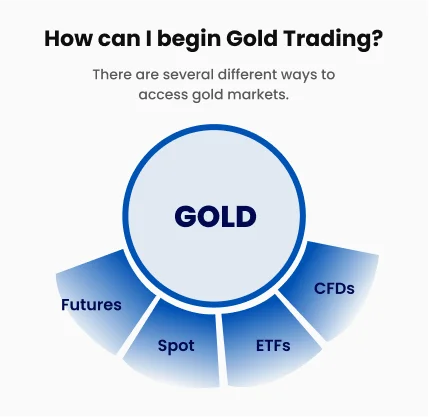
Physical Gold: Investing in physical gold, such as coins and bars, offers direct exposure but comes with storage and security concerns.
Gold ETFs and Mutual Funds: Exchange-traded funds (ETFs) allow investors to gain exposure to gold prices without holding the metal. They are more liquid and easily tradable but may incur management fees.
Gold Mining Stocks: Investing in gold mining companies can offer indirect exposure to gold prices and add growth potential to a portfolio. However, these stocks also carry risks tied to mining operations and general equity market trends.
CFDs: A Contract for Difference (CFD) allows investors to speculate on the price movement of assets without actually owning them. When trading CFDs, investors agree to exchange the difference in an asset's price from when the contract is opened to when it's closed. CFDs cover various assets, including stocks, commodities, and forex.
Is Gold the Right Fit for Your 2025 Portfolio?
Whether gold is a good investment in 2025 depends on your personal investment goals and risk tolerance. Gold may be worth considering if you’re seeking to diversify against economic uncertainties, hedge against inflation, or have a safe-haven asset.
However, for those focused on income generation or high growth, gold’s lack of yield and its sometimes volatile nature might not align with your investment objectives.
Is Gold a Good Investment in 2025? Key Takeaways

Positive Outlook Amid Market Instability: Given the economic outlook and potential for market volatility, gold retains its appeal as a safe, stable asset.
Potential Inflation Hedge: Gold may offer protection if inflation continues, preserving purchasing power when currency values fluctuate.
Strategic Asset for Diversification: Adding gold to a portfolio can minimize risk and improve long-term returns, especially if equity markets become unpredictable.
Adaptability in Various Forms: Gold investments can be tailored to preferences through physical purchases, CFDs, gold ETFs, or contracts, offering flexibility.
The Case for Investing in Gold
In 2025, gold could remain a strong option for investors seeking stability amidst economic uncertainties. Whether inflation, geopolitical factors, or recessionary fears, gold has a history of providing safety when traditional investments face challenges.
Is gold a good investment in 2025? The answer may be yes for many, especially as global economic conditions evolve.
To start exploring gold investment options, visit TMGM's platform to learn about trading gold and access resources to build a diversified, resilient portfolio.