What is Blockchain?
At its core, blockchain is a distributed ledger maintained by a decentralized network of nodes. It comprises "blocks" of data linked through cryptographic hashes. Once data is recorded in a block and appended to the chain, it becomes immutable and accessible to the entire network.
Each block typically contains:
A list of validated transactions
A timestamp
A reference to the previous block’s hash
This architecture ensures blockchain is secure, transparent, and resistant to tampering.
How Does Blockchain Work?
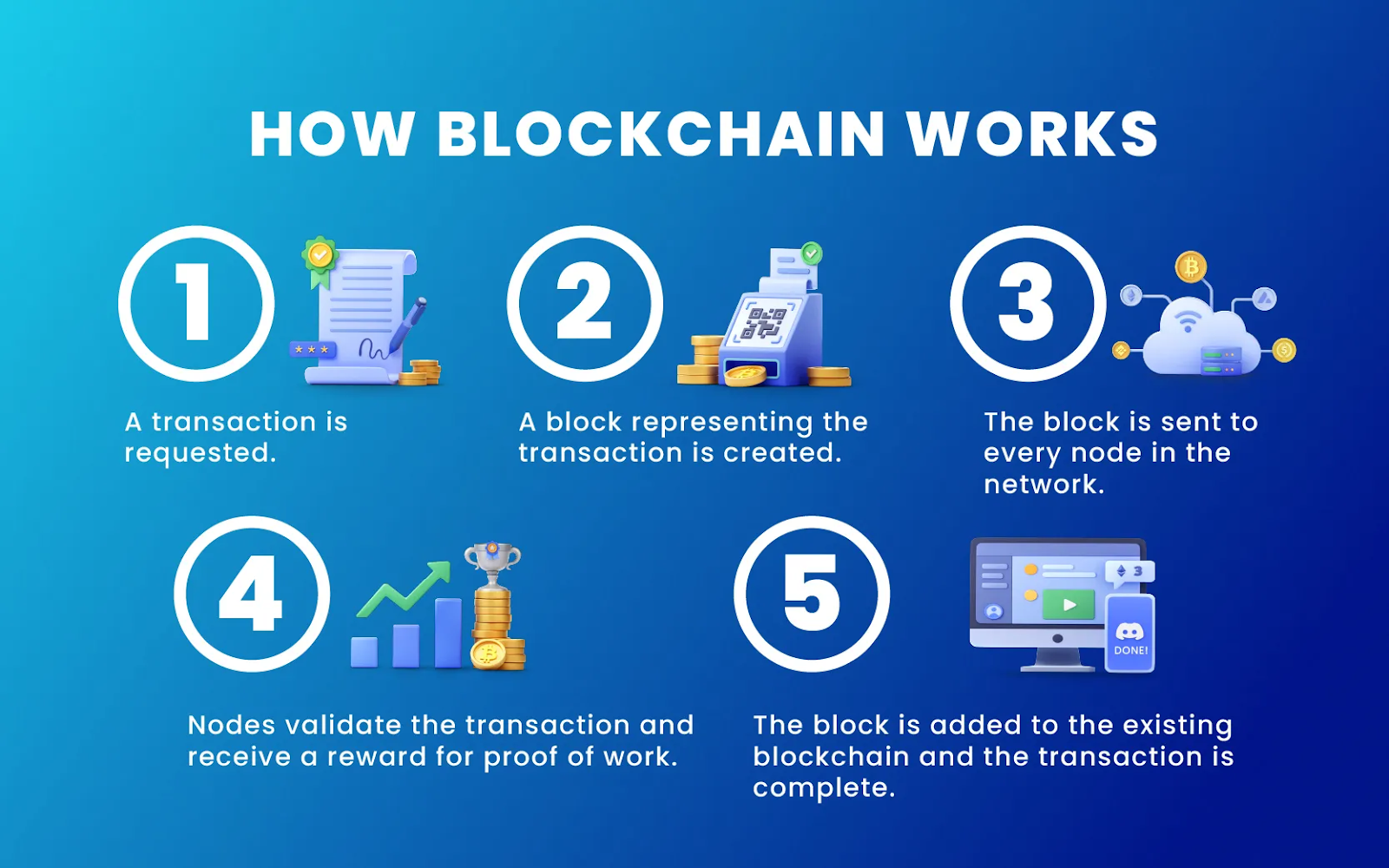
Blockchain operates through consensus among multiple computers, commonly called nodes. Here's a simplified overview:
A transaction is initiated.
A block representing the transaction is generated.
The block is broadcast to all nodes in the network.
Nodes validate the block using consensus algorithms (e.g., Proof of Work).
The verified block is permanently added to the blockchain.
This decentralized structure enables blockchain to function without a central authority.
Key Features of Blockchain Technology
Decentralization: No single point of control or failure.
Transparency: All transactions are publicly verifiable.
Immutability: Once recorded, data cannot be altered.
Security: Employs cryptography to link and secure blocks.
Types of Blockchains
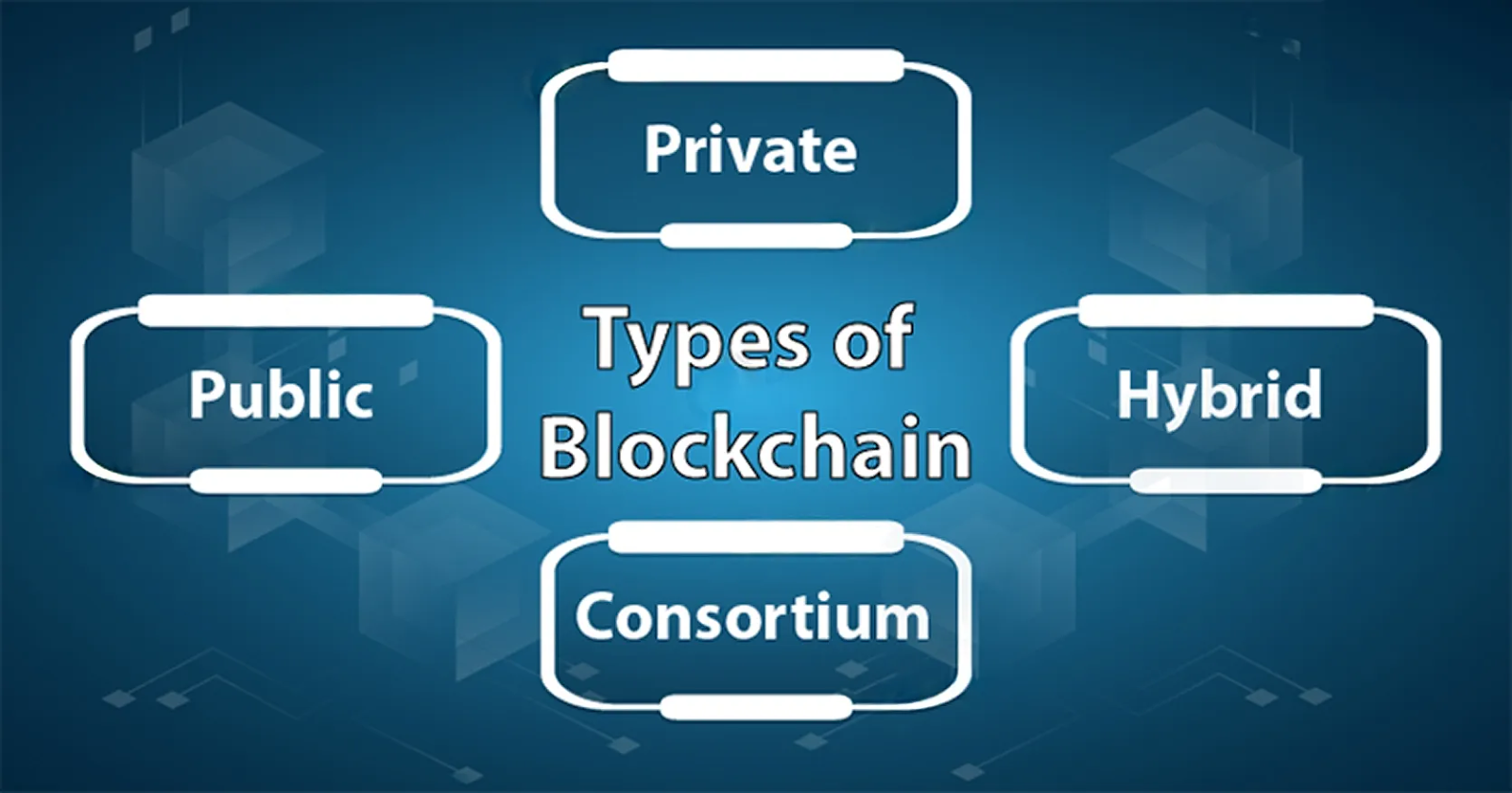
There are various blockchain types, each tailored to different requirements:
Public Blockchains (e.g., Bitcoin): Open to anyone, fully decentralized.
Private Blockchains: Access limited to authorized participants.
Consortium Blockchains: Governed by a group of organizations.
Hybrid Blockchains: Combines features of public and private blockchains.
Applications of Blockchain Technology
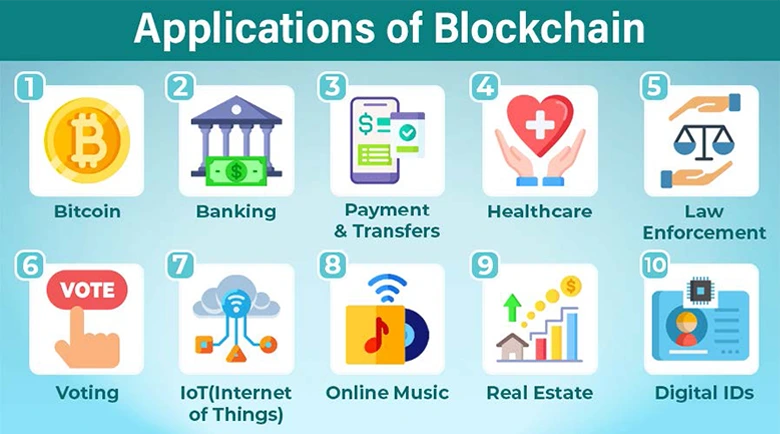
While blockchain is best known for its role in various cryptocurrencies, and crypto asset trading, its applications extend far beyond:
Cryptocurrency: Secure, transparent transfer of digital assets.
Banking: Accelerated settlements and fraud mitigation.
Healthcare: Immutable patient records.
Supply Chain Management: Comprehensive product traceability.
Voting Systems: Secure, tamper-proof digital voting.
Smart Contracts: Self-executing contracts encoded on the blockchain.
Challenges of Blockchain
Despite its potential, blockchain faces several challenges:
Scalability: Limited transaction throughput on some networks.
Energy Consumption: High electricity usage for mining operations.
Regulatory Uncertainty: Compliance varies across jurisdictions and sectors.
Complexity: Technical barriers hinder widespread adoption.
The Future of Blockchain
Innovations such as Layer 2 scaling solutions, proof of stake consensus, and cross-chain interoperability are addressing current constraints. Governments and enterprises are exploring blockchain for digital identity, fraud prevention, and decentralized finance (DeFi) applications.
Conclusion
With its promise of transparency, security, and decentralization, blockchain technology offers transformative potential across numerous industries. Although challenges remain, ongoing innovation and exploration of blockchain’’s capabilities indicate it could revolutionize data management and transactional processes.
Whether as a catalyst for financial system transformation, a tool for securing healthcare data, or the foundation of decentralized networks, blockchain is poised to play a pivotal role in the future of digital infrastructure.