文章

What Are the Most Traded Commodities Worldwide? Key Assets Influencing Global Markets

The global commodities market is anchored by a select group of leading commodities that drive daily trading volumes, investment flows, and hedging strategies. Spanning energy, metals, and agricultural products, these key commodities influence macroeconomic factors such as inflation, economic growth, corporate earnings, and consumer spending. For traders, identifying which assets rank highest in the commodities hierarchy and understanding their significance is essential for developing a diversified trading strategy. The spectrum of tradable commodities is extensive, with each category presenting unique market drivers, risk profiles, and trading opportunities. To gain a comprehensive perspective on available instruments, it is advisable to explore the full suite of markets offered by a broker. This guide will detail the top commodities commanding global trading volumes, analyze the factors impacting their price movements, and illustrate their linkage to the broader real economy.

What can be traded in the commodities market

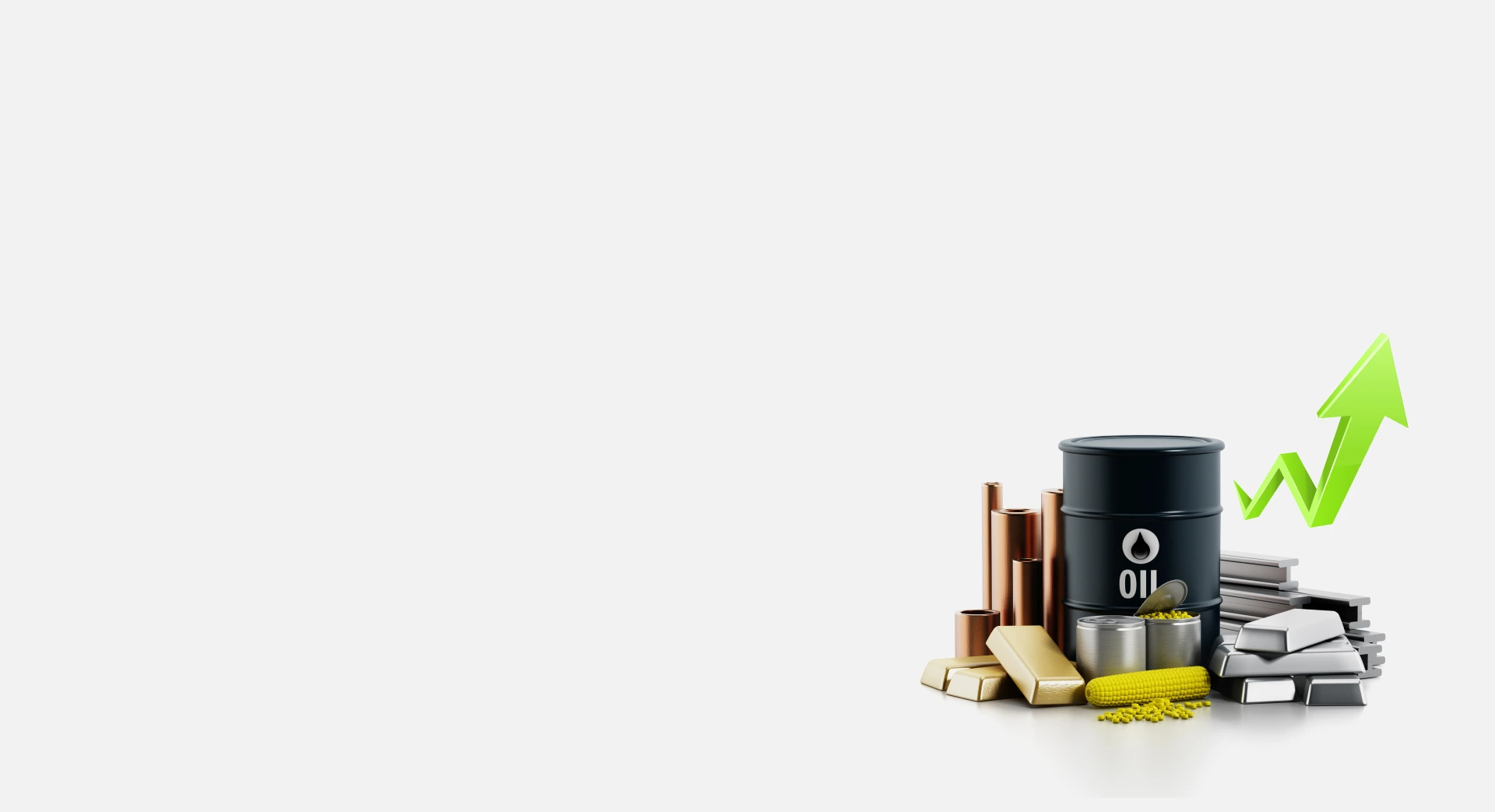
Before diving into each contract in detail, it’s useful to categorize the most actively traded commodities. This provides beginners with a clear framework of the market and highlights the variety of commodity instruments available.

Energy Commodities

  • Crude Oil
  • Natural Gas

These commodities power transportation, industry, and households, playing a crucial role in inflation dynamics and economic growth.

Precious and Industrial Metals

  • Gold and Silver
  • Copper and other base metals

Metals are essential in jewelry, investment portfolios, construction, electronics, and renewable energy projects.

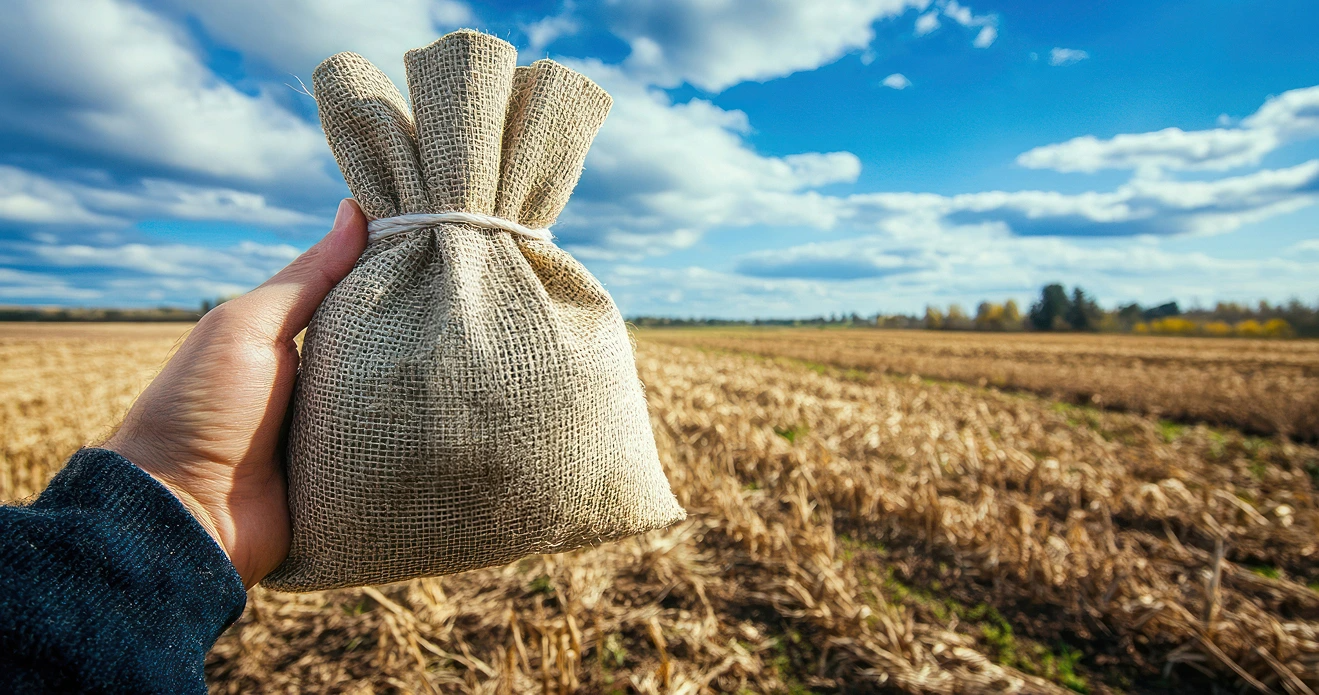
Agricultural and Soft Commodities

  • Coffee and Cotton
  • Wheat and Soybeans

These commodities are tied to food security, consumer goods, and the global textile industry.

Bulk Industrial Materials

  • Iron Ore

Iron ore is fundamental to steel manufacturing and large-scale construction projects.

Across these categories, you can see a broad spectrum of commodities available for trading. Each asset class reacts to a unique combination of supply and demand factors, weather conditions, regulatory policies, and market sentiment. This is why traders often specialize in one or two commodity clusters rather than trading across the entire spectrum simultaneously.

Crude Oil: The Lifeblood of the Modern Economy

Crude oil ranks among the most heavily traded commodities worldwide. It fuels transportation, drives industrial activity, and is central to global supply chains. Traders typically focus on two primary benchmarks: West Texas Intermediate (WTI) and Brent crude, each with distinct characteristics and pricing mechanisms. For a deeper understanding of this market, a dedicated guide on crude oil trading is highly recommended.

Oil prices are highly sensitive to geopolitical developments, production decisions by major exporters, supply disruptions, and global economic forecasts. This continuous influx of news and data makes crude oil a top choice for active traders, whether hedging risk or speculating on price movements. Comprehensive education on how to trade oil is essential before applying leverage in this volatile market.

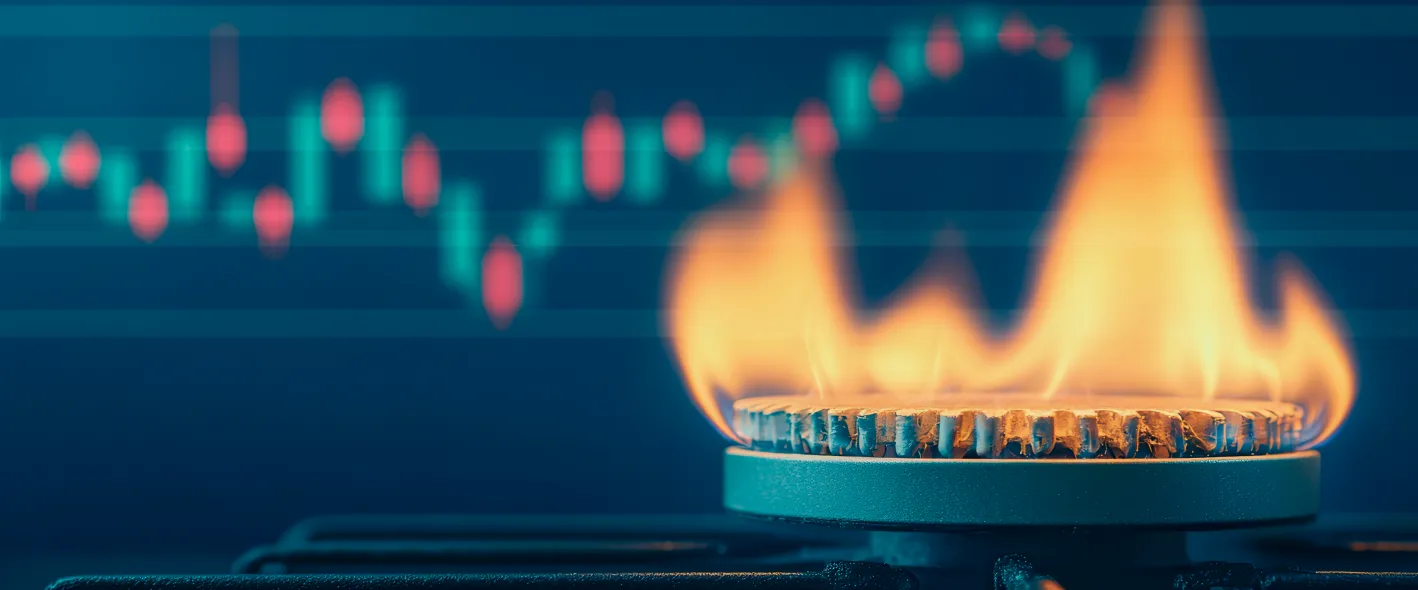
Natural Gas: A Rising Star Among Energy Commodities

Natural gas has become a key component of the energy sector as countries transition towards cleaner alternatives to coal and oil. It is extensively used for electricity generation, industrial applications, and heating, making its demand closely linked to weather patterns and economic activity.

With the global shift toward lower-carbon energy sources, natural gas trading volumes have increased significantly. Gas contracts now rank among the most traded energy commodities, with prices influenced by storage levels, pipeline flows, liquefied natural gas (LNG) shipments, and regulatory policies. For traders, natural gas is considered alongside crude oil within the broader energy market.


Gold: The Traditional Safe-Haven Asset

Gold has maintained its role as a store of value and safe haven for centuries. It remains a classic commodity for investors seeking a hedge against inflation, currency depreciation, or financial market volatility. Modern traders can access gold via spot markets, futures contracts, and CFDs, often starting by learning what gold trading entails.

Gold prices are influenced by real interest rates, central bank policies, inflation data, and shifts in risk sentiment. Trading around the clock with deep liquidity, gold is among the most actively traded commodities by both retail and institutional market participants. For those constructing metal-focused portfolios, exploring the broader precious metals sector is advisable.


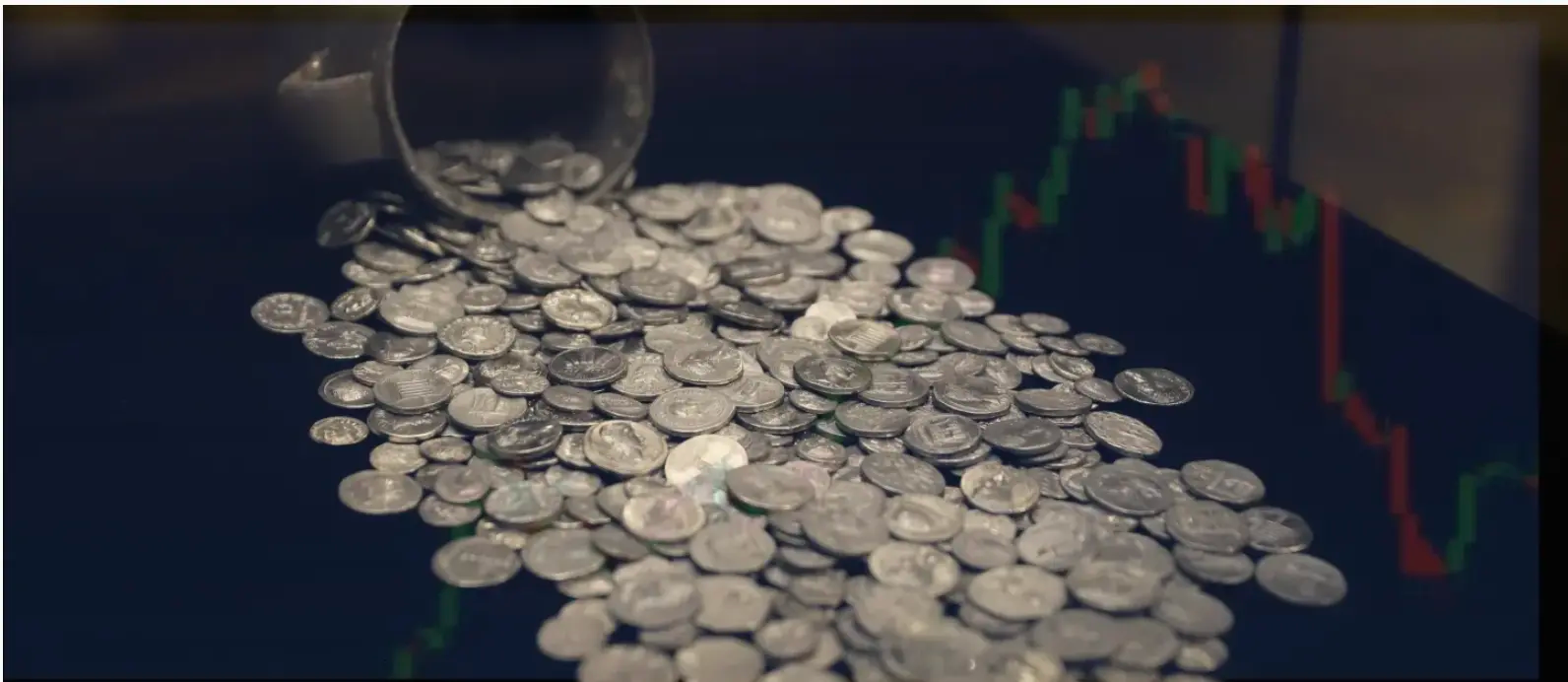
Silver: Industrial Demand and Investment Appeal Combined

Silver shares some safe-haven characteristics with gold but has a stronger industrial demand component. It is widely used in electronics, solar energy panels, medical devices, and numerous other applications. This dual nature means silver prices are affected by both investment flows and economic and technological growth trends.

For traders focusing on metals, silver stands out due to its volatility and lower price point relative to gold. Educational resources on how to trade silver can clarify contract specifications, margin requirements, and key market drivers.


Copper: The Bellwether for Global Economic Health

Copper is integral to construction, infrastructure, and electrical industries, making it a widely monitored indicator of economic activity. Rising copper prices often reflect robust demand from manufacturing, building, and clean energy sectors, while declines may signal economic slowdown.

Due to its close correlation with economic cycles, copper is popular among traders seeking exposure to growth trends through a single commodity contract. It is a key member of the base metals group’s most traded commodities. Beginners often start with educational content on how to trade copper and broader guides on metals trading.


Coffee: The World’’s Most Popular Beverage Commodity

Coffee is one of the most actively traded soft commodities. Its demand spans nearly every country, with millions starting their day with a cup. This steady consumption supports deep and liquid markets centered on major producing regions in Latin America, Africa, and Asia.

Prices are sensitive to weather conditions, crop diseases, labor market factors, and shifts in consumer preferences across different blends and formats. For many traders, coffee exemplifies how everyday products become significant commodities when analyzed through supply, demand, and pricing dynamics.


Wheat: A Staple Crop with High Global Demand


Wheat is a fundamental staple for billions worldwide and a cornerstone of global food security. It is among the most traded agricultural commodities, with major producers including the United States, Russia, and Canada influencing global supply.

Weather variability, geopolitical tensions, and export regulations can cause significant price fluctuations, prompting producers and buyers to use futures and other derivatives for risk management. For traders, wheat and other grains provide exposure to long-term demographic and dietary trends.


Cotton: The Fabric of Global Fashion and Industry

Cotton is the foundation of the textile industry, used in apparel, footwear, and household fabrics. This makes it a significant commodity, with demand closely tied to global fashion trends and consumer spending patterns.

Production depends heavily on weather, pest control, and water availability, leading to price volatility. Trade policies and shifts toward sustainable or alternative fibers also impact this market.


Soybeans: A Versatile Agricultural Commodity

Soybeans are a vital crop in modern agriculture, used for animal feed, cooking oil, and as an ingredient in numerous food products. They also serve as feedstock for biofuel production. This versatility makes soybeans one of the most traded commodities in the grains and oilseeds sector.

Prices are influenced by crop yields, weather in key growing regions like the United States and Brazil, and trade flows between major importers and exporters. As global protein consumption increases, soybeans remain central to many long-term market themes.


Iron Ore: The Backbone of Construction and Manufacturing


Iron ore is the primary raw material for steel production, which supports construction, infrastructure, and manufacturing industries. Alongside copper, iron ore serves as a key indicator of industrial demand, especially in rapidly developing economies.

Price movements are driven by output from major exporters, shifts in steel demand, and changes in environmental and industrial regulations. For traders interested in commodities linked to heavy industry, iron ore is among the most significant contracts.


Diversify Your Portfolio with the Most Traded Commodities

The most actively traded commodities are not just abstract contracts; they are connected to energy, housing, transportation, technology, food, and fashion sectors. This linkage makes them valuable components of a diversified trading or investment strategy, especially when accessed via derivatives such as CFDs on commodities and other asset classes.

Each commodity has its own set of market drivers, trading hours, and risk characteristics. Before deciding whether to trade via spot, futures, or contracts for difference, it’s critical to understand both the opportunities and risks involved. Educational materials explaining the advantages of trading CFDs, along with detailed product specifications and trading conditions, can assist you in selecting the instruments and markets best aligned with your objectives and risk appetite.

今日更明智地进行交易

10,000 美元演示资金
100多个市场
低费用,低点差
Trading App
TMGM
Trade The World
TMGM is a global financial services provider operating under robust regulatory standards, committed to delivering a seamless trading experience. Through TMGM's intuitive web and mobile platforms, traders can access international markets and engage with a diverse range of instruments, including forex, indices, commodities, precious metals, energies, and cryptocurrencies.
加入超过100万客户,使用我们屡获殊荣的交易平台
1
申请真实
账户
2
为您的
账户注资
3
立即开始
交易
立即注册