

Federal Reserve: Monetary policy report cites “high inflation” due to tariffs
The Federal Reserve released its monetary policy report, in which the US central bank acknowledged that inflation remains elevated and that the labour market is broadly stable, a signal that the price stability goal hasn’t been achieved.
The report noted that inflation rose further in the spring, revealing that economic activity is expanding solidly, despite uncertainty sparked by the Iran war. M2 money supply growth rates “were moderate and broadly similar to the pace typically observed during the 2010s.”
Credit conditions for small businesses and households remained tight, according to the Fed, and Q1 2026 growth was boosted by investment in high tech and government spending.
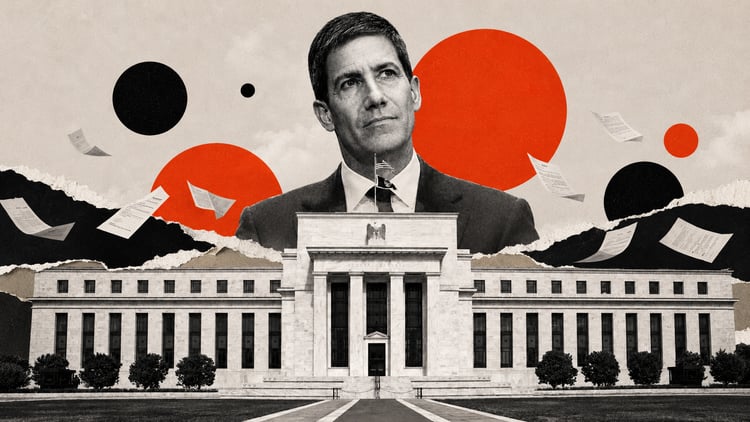
The Fed revealed that the housing market is stagnant, that the financial system remained sound and resilient, and that asset valuations in stocks, corporate debt, residential and real estate are above historic norms.
Key highlights:
INFLATION REMAINS ELEVATED, DRIVEN BY TARIFFS AND FACTORS RELATED TO MIDDLE EAST WAR, AI
ALREADY STRONG INFLATION TICKED UP FURTHER IN THE SPRING
LABOR MARKET BROADLY STABLE, 'SOLID' NOMINAL WAGE GROWTH HAS BEEN JOINED BY ‘STRONG’ PRODUCTIVITY GAINS
ECONOMIC ACTIVITY EXPANDING AT SOLID PACE DESPITE ELEVATED UNCERTAINTY DUE TO IRAN WAR
M2 MONEY SUPPLY GROWTH RATES WERE MODERATE AND BROADLY SIMILAR TO THE PACE TYPICALLY OBSERVED DURING THE 2010S
LABOR SUPPLY GROWTH DOWN ON IMMIGRATION SLOW DOWN, DEMOGRAPHIC SHIFT
SMALL BUSINESSES AND HOUSEHOLDS CONTINUED TO FACE RELATIVELY TIGHT CREDIT CONDITIONS
FIRST QUARTER 2026 GROWTH BOLSTERED BY HIGH TECH INVESTMENT, GOVERNMENT SPENDING
MEASURES OF LONG-TERM INFLATION EXPECTATIONS ‘BROADLY CONSISTENT’ WITH 2% GOAL
IN MOST CASES, FUNDS IMPOSED REDEMPTION LIMITS, AND PRIVATE CREDIT MARKETS CONTINUED TO FUNCTION NORMALLY
SOME PRIVATE CREDIT VEHICLES FACED NOTABLE INCREASES IN REDEMPTION REQUESTS IN Q1, REFLECTING SOME DEFAULTS AND CONCERNS ABOUT UNDERLYING ASSET QUALITY
ACTIVITY IN HOUSING MARKET HAS BEEN ‘STAGNANT’
STRONG FACTORY OUTPUT DRIVEN BY DATA CENTER INVESTMENT TIED TO AI; US PRODUCTIVE CAPACITY RISING AT 'SOLID PACE'
FOREIGN ECONOMIC ACTIVITY GROWTH WAS SUBDUED IN H1 2026 FROM HEADWINDS FROM MIDDLE EAST CONFLICT
AND US TARIFFS, PARTIALLY OFFSET BY AI INVESTMENT
FINANCIAL SYSTEM REMAINED ‘SOUND AND RESILIENT,’ VULNERABILITIES UNCHANGED
BANK RESERVES REMAIN IN ‘AMPLE’ RANGE AMID RESERVE MANAGEMENT BUYING
ASSET VALUES IN STOCKS, CORPORATE DEBT, RESIDENTIAL REAL ESTATE ABOVE HISTORIC NORMS
Fed FAQs
Monetary policy in the US is shaped by the Federal Reserve (Fed). The Fed has two mandates: to achieve price stability and foster full employment. Its primary tool to achieve these goals is by adjusting interest rates. When prices are rising too quickly and inflation is above the Fed’s 2% target, it raises interest rates, increasing borrowing costs throughout the economy. This results in a stronger US Dollar (USD) as it makes the US a more attractive place for international investors to park their money. When inflation falls below 2% or the Unemployment Rate is too high, the Fed may lower interest rates to encourage borrowing, which weighs on the Greenback.
The Federal Reserve (Fed) holds eight policy meetings a year, where the Federal Open Market Committee (FOMC) assesses economic conditions and makes monetary policy decisions. The FOMC is attended by twelve Fed officials – the seven members of the Board of Governors, the president of the Federal Reserve Bank of New York, and four of the remaining eleven regional Reserve Bank presidents, who serve one-year terms on a rotating basis.
In extreme situations, the Federal Reserve may resort to a policy named Quantitative Easing (QE). QE is the process by which the Fed substantially increases the flow of credit in a stuck financial system. It is a non-standard policy measure used during crises or when inflation is extremely low. It was the Fed’s weapon of choice during the Great Financial Crisis in 2008. It involves the Fed printing more Dollars and using them to buy high grade bonds from financial institutions. QE usually weakens the US Dollar.
Quantitative tightening (QT) is the reverse process of QE, whereby the Federal Reserve stops buying bonds from financial institutions and does not reinvest the principal from the bonds it holds maturing, to purchase new bonds. It is usually positive for the value of the US Dollar.














