Silver price rallies to two-month high as US-Iran tensions boost haven demand
作者 Ghiles Guezout
更新: 11 May 2026


热门文章
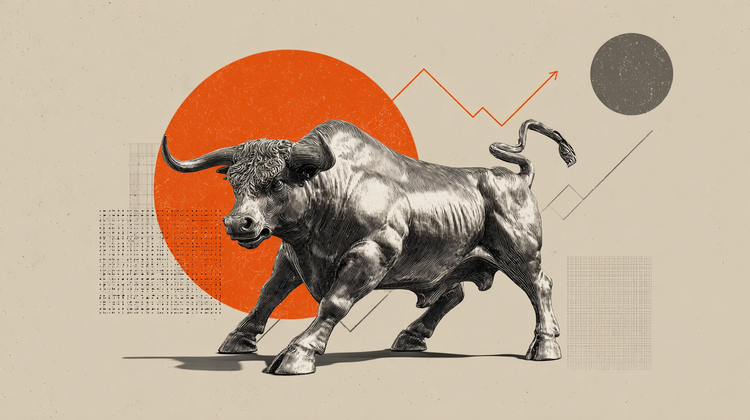
Silver (XAG/USD) extends its rally on Monday and trades around $84.85 at the time of writing, up 5.60% on the day. The white metal continues its bullish momentum, breaking to fresh two-month highs, supported by strong safe-haven demand amid escalating geopolitical tensions in the Middle East.
- Silver climbs more than 5% on Monday and reaches its highest level in two months around $84.80.
- Persistent tensions between the United States and Iran continue to fuel safe-haven demand for precious metals.
- Strong US labor market data reduces expectations of near-term Federal Reserve easing.
Silver (XAG/USD) extends its rally on Monday and trades around $84.85 at the time of writing, up 5.60% on the day. The white metal continues its bullish momentum, breaking to fresh two-month highs, supported by strong safe-haven demand amid escalating geopolitical tensions in the Middle East.
Market sentiment remains dominated by concerns surrounding the war between the United States (US) and Iran. US President Donald Trump rejected Iran’s latest peace proposal, calling it “totally unacceptable,” while negotiations regarding the Strait of Hormuz remain deadlocked. Fears of prolonged disruptions to global energy flows continue to fuel volatility across commodity markets and support safe-haven assets such as Silver.
At the same time, rising energy prices are reviving inflation concerns and pushing investors to price in a higher-for-longer interest rate environment. Data released on Friday in the United States reinforced this narrative after Nonfarm Payrolls (NFP) increased by 115K in April, well above market expectations of 62K, while the Unemployment Rate remained steady at 4.3%.
These figures give the Federal Reserve (Fed) greater room to maintain its restrictive monetary policy stance. According to the CME FedWatch tool, markets now see only limited chances of near-term rate cuts, with some investors even considering the possibility of another rate hike before the end of the year.
Despite this environment typically weighing on non-yielding assets, Silver continues to benefit from strong industrial demand. Demand linked to photovoltaics, semiconductors, artificial intelligence infrastructure, and electric vehicles remains a major structural driver for the white metal.
Investment demand also stays firm. Several analysts expect the global Silver market to remain in deficit this year, with industrial demand projected to exceed available supply for another consecutive year.
Silver FAQs
Silver is a precious metal highly traded among investors. It has been historically used as a store of value and a medium of exchange. Although less popular than Gold, traders may turn to Silver to diversify their investment portfolio, for its intrinsic value or as a potential hedge during high-inflation periods. Investors can buy physical Silver, in coins or in bars, or trade it through vehicles such as Exchange Traded Funds, which track its price on international markets.
Silver prices can move due to a wide range of factors. Geopolitical instability or fears of a deep recession can make Silver price escalate due to its safe-haven status, although to a lesser extent than Gold's. As a yieldless asset, Silver tends to rise with lower interest rates. Its moves also depend on how the US Dollar (USD) behaves as the asset is priced in dollars (XAG/USD). A strong Dollar tends to keep the price of Silver at bay, whereas a weaker Dollar is likely to propel prices up. Other factors such as investment demand, mining supply – Silver is much more abundant than Gold – and recycling rates can also affect prices.
Silver is widely used in industry, particularly in sectors such as electronics or solar energy, as it has one of the highest electric conductivity of all metals – more than Copper and Gold. A surge in demand can increase prices, while a decline tends to lower them. Dynamics in the US, Chinese and Indian economies can also contribute to price swings: for the US and particularly China, their big industrial sectors use Silver in various processes; in India, consumers’ demand for the precious metal for jewellery also plays a key role in setting prices.
Silver prices tend to follow Gold's moves. When Gold prices rise, Silver typically follows suit, as their status as safe-haven assets is similar. The Gold/Silver ratio, which shows the number of ounces of Silver needed to equal the value of one ounce of Gold, may help to determine the relative valuation between both metals. Some investors may consider a high ratio as an indicator that Silver is undervalued, or Gold is overvalued. On the contrary, a low ratio might suggest that Gold is undervalued relative to Silver.
超过一百万用户依赖 FXStreet 获取实时市场数据、图表工具、专家洞见和外汇新闻。其全面的经济日历和教育网络研讨会帮助交易者保持信息领先、做出审慎决策。FXStreet 拥有约 60 人的团队,分布在巴塞罗那总部及全球各地区。
阅读更多