

Trade The World
Fed’s Powell: New threat is not about his testimony or the renovation project but a pretext
作者 Lallalit Srijandorn
发布日期: 12 Jan 2026 | 修改日期: 12 Jan 2026


POPULAR ARTICLES
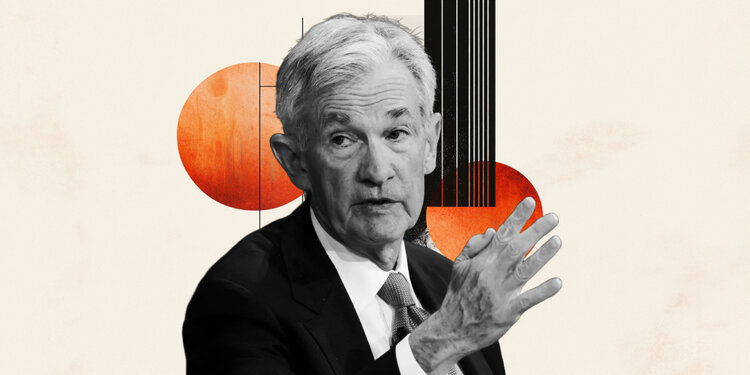
Federal Reserve (Fed) Chair Jerome Powell said in a statement that the US Justice Department has threatened criminal charges against him in connection with his Senate testimony last June, during which he discussed the estimated $2.5 billion renovation.
Federal Reserve (Fed) Chair Jerome Powell said in a statement that the US Justice Department has threatened criminal charges against him in connection with his Senate testimony last June, during which he discussed the estimated $2.5 billion renovation. Powell described the move as unprecedented and a direct challenge to the Fed’s independence.
Key quotes
Grand jury subpoenas were served on Friday.
New threat is not about his testimony or the renovation project but a pretext.
Testimony concerned multiyear renovation of historic buildings.
Justice Department on Friday threatened criminal indictment related to his Senate testimony last June.
I have carried out my duties without political fear or favor and will continue to do so.
Threat of criminal charges is a consequence of Fed setting interest rates based on its assessment of the public interest rather than the president's preferences.
Broader issue is whether the Federal Reserve will continue setting interest rates based on evidence and economics or be directed by political pressure and intimidation.
Market reaction
At the time of writing, the US Dollar Index (DXY) is trading around 98.95, down 0.18% on the day.
Fed FAQs
Monetary policy in the US is shaped by the Federal Reserve (Fed). The Fed has two mandates: to achieve price stability and foster full employment. Its primary tool to achieve these goals is by adjusting interest rates. When prices are rising too quickly and inflation is above the Fed’s 2% target, it raises interest rates, increasing borrowing costs throughout the economy. This results in a stronger US Dollar (USD) as it makes the US a more attractive place for international investors to park their money. When inflation falls below 2% or the Unemployment Rate is too high, the Fed may lower interest rates to encourage borrowing, which weighs on the Greenback.
The Federal Reserve (Fed) holds eight policy meetings a year, where the Federal Open Market Committee (FOMC) assesses economic conditions and makes monetary policy decisions. The FOMC is attended by twelve Fed officials – the seven members of the Board of Governors, the president of the Federal Reserve Bank of New York, and four of the remaining eleven regional Reserve Bank presidents, who serve one-year terms on a rotating basis.
In extreme situations, the Federal Reserve may resort to a policy named Quantitative Easing (QE). QE is the process by which the Fed substantially increases the flow of credit in a stuck financial system. It is a non-standard policy measure used during crises or when inflation is extremely low. It was the Fed’s weapon of choice during the Great Financial Crisis in 2008. It involves the Fed printing more Dollars and using them to buy high grade bonds from financial institutions. QE usually weakens the US Dollar.
Quantitative tightening (QT) is the reverse process of QE, whereby the Federal Reserve stops buying bonds from financial institutions and does not reinvest the principal from the bonds it holds maturing, to purchase new bonds. It is usually positive for the value of the US Dollar.

FXStreet
超过一百万用户依赖 FXStreet 获取实时市场数据、图表工具、专家洞见和外汇新闻。其全面的经济日历和教育网络研讨会帮助交易者保持信息领先、做出审慎决策。FXStreet 拥有约 60 人的团队,分布在巴塞罗那总部及全球各地区。
Read More








