

Trade The World
GBP/JPY extends its decline below 198.00 on risk aversion, weak UK data
作者 Guillermo Alcala
发布日期: 1 Aug 2025 | 修改日期: 1 Aug 2025


POPULAR ARTICLES
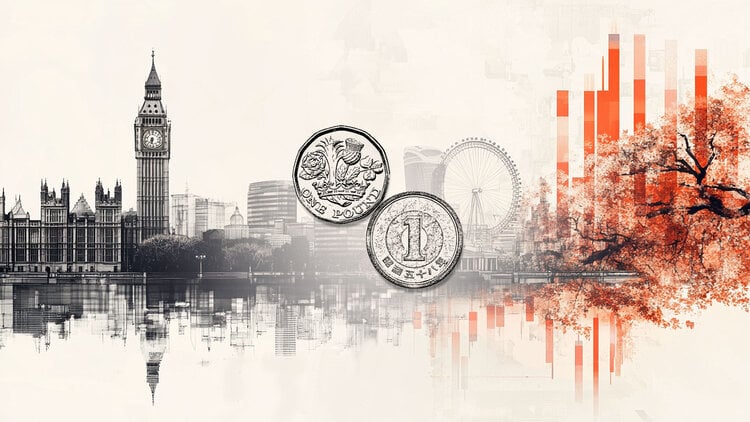
The Pound is nursing losses for the third consecutive day against the Japanese Yen, on track for a 0,65% decline this week.
- The Pound dips further after the downward revision of UK manufacturing activity.
- A risk-averse market is supporting the Yen as traders digest a new list of tariffs by US President Trump.
- The Japanese Finance Minister Kato has expressed his concern about the recent Yen weakness.
The Pound is nursing losses for the third consecutive day against the Japanese Yen, on track for a 0,65% decline this week. The risk-averse market on the day Trump signed the executive order for trade tariffs and the downward revision of UK manufacturing activity are punishing the Sterling.
Business activity in the UK manufacturing sector contracted more than previously thought, according to the final release of the S&P Global PMI reading, which was revised down to 48.0 from the previously estimated 48.2 reading.
These figures follow the downbeat retail consumption and employment numbers released last week and strengthen the case for further BoE easing after next week’s meeting, adding bearish pressure on the Pound.
The Yen, on the other hand, is being supported by higher demand for safe assets as market sentiment plunged after Trump announced new trade tariffs, which will finally come into effect on August 7.
Earlier on Friday, Japan’s Finance Minister, Katsunobu Kato, voiced the authorities’ concerns about the recent Yen depreciation. These comments have triggered speculation that the Bank of Japan might intervene in case of further JPY decline, which is keeping Yen sellers in check on Friday.
Tariffs FAQs
Tariffs are customs duties levied on certain merchandise imports or a category of products. Tariffs are designed to help local producers and manufacturers be more competitive in the market by providing a price advantage over similar goods that can be imported. Tariffs are widely used as tools of protectionism, along with trade barriers and import quotas.
Although tariffs and taxes both generate government revenue to fund public goods and services, they have several distinctions. Tariffs are prepaid at the port of entry, while taxes are paid at the time of purchase. Taxes are imposed on individual taxpayers and businesses, while tariffs are paid by importers.
There are two schools of thought among economists regarding the usage of tariffs. While some argue that tariffs are necessary to protect domestic industries and address trade imbalances, others see them as a harmful tool that could potentially drive prices higher over the long term and lead to a damaging trade war by encouraging tit-for-tat tariffs.
During the run-up to the presidential election in November 2024, Donald Trump made it clear that he intends to use tariffs to support the US economy and American producers. In 2024, Mexico, China and Canada accounted for 42% of total US imports. In this period, Mexico stood out as the top exporter with $466.6 billion, according to the US Census Bureau. Hence, Trump wants to focus on these three nations when imposing tariffs. He also plans to use the revenue generated through tariffs to lower personal income taxes.

FXStreet
超过一百万用户依赖 FXStreet 获取实时市场数据、图表工具、专家洞见和外汇新闻。其全面的经济日历和教育网络研讨会帮助交易者保持信息领先、做出审慎决策。FXStreet 拥有约 60 人的团队,分布在巴塞罗那总部及全球各地区。
Read More








