

Trade The World
Trump announces additional tariffs on China, to begin November 1
作者 Joshua Gibson
发布日期: 11 Oct 2025 | 修改日期: 11 Oct 2025


POPULAR ARTICLES
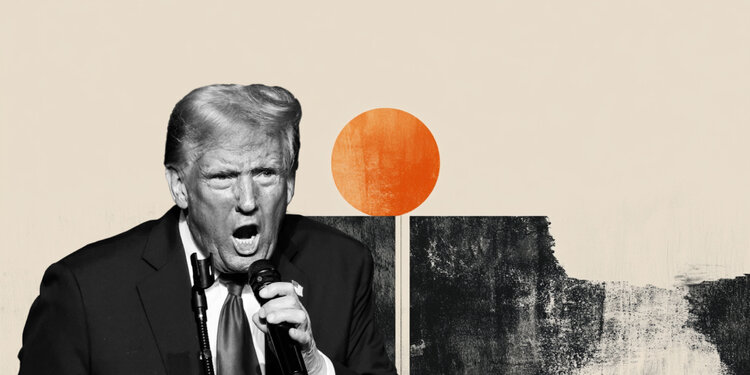
US President Donald Trump hit markets with a fresh tariff threat on Friday, continuing his lashout at China over their decision to impose even stricter export licensing requirements on foreign entities trying to move critical rare earths minerals out of China.
US President Donald Trump hit markets with a fresh tariff threat on Friday, continuing his lashout at China over their decision to impose even stricter export licensing requirements on foreign entities trying to move critical rare earths minerals out of China.
Donald Trump declared via social media post that he will be imposing a new 100% tariff on all exports bound for the US from China, as Trump's bespoke playbook of hammering his own constituents to punish foreign nations continues to play out.
How the Trump administration will achieve a new import tariff remains to be solved by other people within the Trump team. The US government is currently in shutdown mode after the Senate failed to agree on how to fund federal operations, making it difficult to both charge and collect new trade taxes at the border.
Global markets are currently in shutdown mode, with American exchanges going dark for the Columbus Day long weekend. However, Treasury yields spiked heading into the close, and investors will be coming back to a very different sentiment outlook on Tuesday.
Tariffs FAQs
Tariffs are customs duties levied on certain merchandise imports or a category of products. Tariffs are designed to help local producers and manufacturers be more competitive in the market by providing a price advantage over similar goods that can be imported. Tariffs are widely used as tools of protectionism, along with trade barriers and import quotas.
Although tariffs and taxes both generate government revenue to fund public goods and services, they have several distinctions. Tariffs are prepaid at the port of entry, while taxes are paid at the time of purchase. Taxes are imposed on individual taxpayers and businesses, while tariffs are paid by importers.
There are two schools of thought among economists regarding the usage of tariffs. While some argue that tariffs are necessary to protect domestic industries and address trade imbalances, others see them as a harmful tool that could potentially drive prices higher over the long term and lead to a damaging trade war by encouraging tit-for-tat tariffs.
During the run-up to the presidential election in November 2024, Donald Trump made it clear that he intends to use tariffs to support the US economy and American producers. In 2024, Mexico, China and Canada accounted for 42% of total US imports. In this period, Mexico stood out as the top exporter with $466.6 billion, according to the US Census Bureau. Hence, Trump wants to focus on these three nations when imposing tariffs. He also plans to use the revenue generated through tariffs to lower personal income taxes.

FXStreet
超过一百万用户依赖 FXStreet 获取实时市场数据、图表工具、专家洞见和外汇新闻。其全面的经济日历和教育网络研讨会帮助交易者保持信息领先、做出审慎决策。FXStreet 拥有约 60 人的团队,分布在巴塞罗那总部及全球各地区。
Read More








