Trend Following

Trend following strategies aim to capitalize on sustained directional price movements of assets. “The trend is your friend” is a widely recognized principle underpinning this approach. Traders employ tools such as moving averages and trend lines to identify whether a market is in an uptrend or downtrend. In an uptrend, traders generally initiate long positions, while in a downtrend, they consider short positions. Stop-loss orders are placed below significant support levels for long trades and above resistance levels for short trades. To optimize profits while safeguarding gains, traders often use trailing stop-losses that adjust in line with favorable price movements.
Breakout Trading

Breakout trading targets strong price moves following a clear consolidation phase. Traders identify crucial support and resistance levels or chart patterns to anticipate potential breakouts and exploit periods of heightened volatility. Buy orders are placed when the price breaks above resistance, while sell orders are executed below support. Initial stop-loss orders are set within the consolidation range to manage risk. Profit targets are commonly based on the height of the pattern's or previous swing highs and lows to maximize returns.
Mean Reversion Strategies
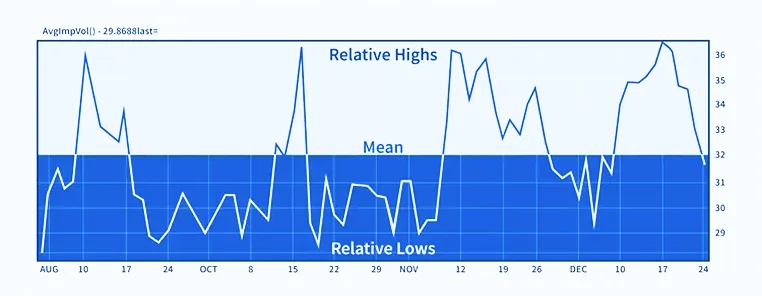
Mean reversion strategies operate on the premise that asset prices and returns will eventually revert to their long-term average or “mean”. Traders utilize momentum indicators such as the Relative Strength Index (RSI) and Bollinger Bands to detect overbought or oversold conditions. Counter-trend positions are initiated when these indicators show divergence, signaling a potential reversal. Given that trends can sometimes extend unexpectedly, traders employ tight stop-loss orders to limit downside risk. Profit targets are generally set near historical average price levels or at the opposite Bollinger Band boundaries.
News and Event Trading

This strategy relies on fundamental analysis, focusing on market reactions to economic data releases, central bank interest rate decisions, or corporate earnings reports. Traders identify high-impact events and evaluate potential market moves based on whether actual outcomes meet, exceed, or fall short of expectations. Due to the increased volatility around such events, some traders implement options-based strategies to hedge risk exposure. Awareness of wider spreads and reduced liquidity during major announcements is essential, as price volatility can be unpredictable.
Price Action Trading
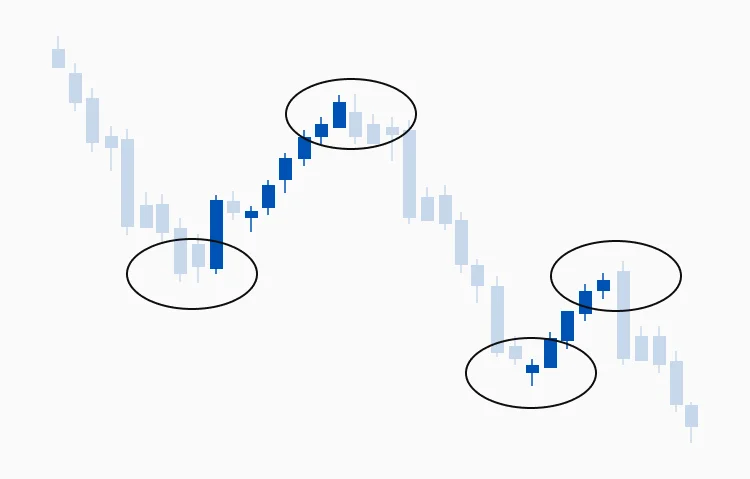
Price action traders base their decisions on historical price movements displayed on charts, emphasizing raw price data rather than relying heavily on technical indicators like moving averages. This approach involves analyzing candlestick patterns, support and resistance levels, and chart formations to understand market psychology and the behavior of buyers and sellers.
Price action trading is applicable across various timeframes and is most effective when combined with robust risk management practices.
Multi-Timeframe Analysis
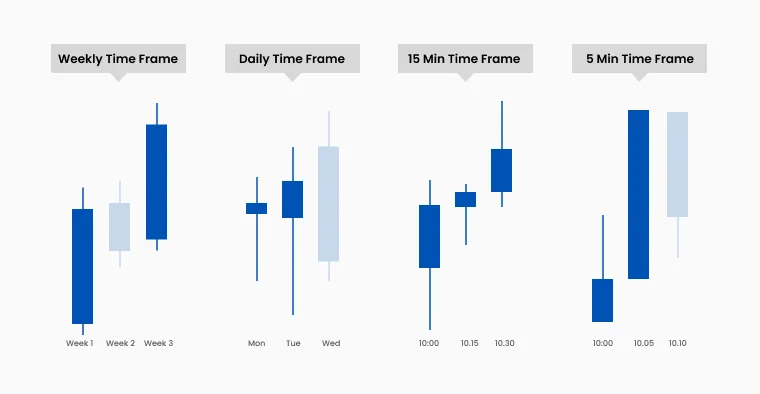
To enhance accuracy, many traders integrate price action with Multi-Timeframe Analysis. This involves using a higher timeframe to identify the dominant trend, a medium timeframe to plan trade entries, and a lower timeframe to fine-tune execution. When signals align across multiple timeframes, it reduces conflicting information and strengthens the validity of trade setups.
Price action trading is versatile across different market conditions and timeframes and yields the best results when paired with disciplined risk management, including defined stop-loss levels and appropriate position sizing.
Hedging Strategy
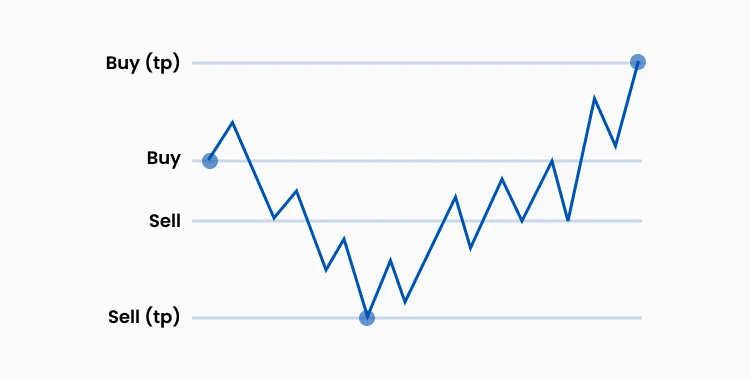
Hedging is employed to mitigate the risk of losses on an asset by taking an offsetting position. Traders typically hedge during periods of market uncertainty or ahead of significant news events. Hedging functions as an insurance mechanism for investments and commonly involves derivatives such as options and futures contracts. However, it also limits potential profits and is not designed as a profit-maximizing strategy.
Scalping Strategy
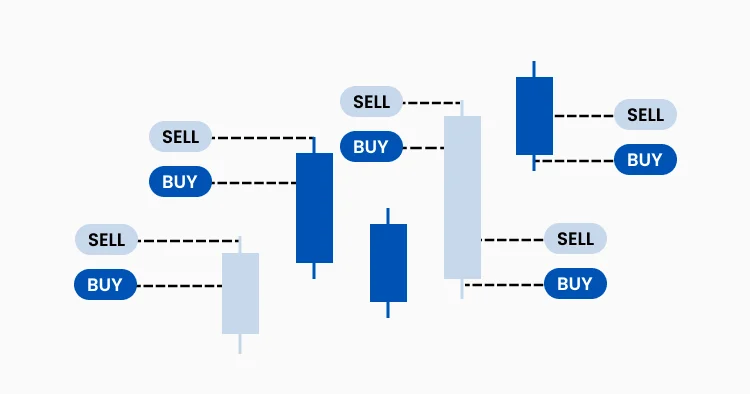
This strategy entails executing numerous small trades throughout the trading day to profit from minor price fluctuations, often within seconds or minutes. It demands rapid execution, tight spreads, and strict discipline. Scalpers aim to accumulate many small gains, operating on the premise that micro price movements occur more frequently and are easier to capture than larger moves.
Scalping is suited for traders who prefer an active, fast-paced trading style but may not be ideal for beginners due to its intensity and speed.
Day Trading Strategy
Day trading is a high-risk, high-reward approach involving intraday buying and selling of securities to capitalize on small price movements and avoid overnight exposure. Momentum indicators, short-term chart patterns, and economic news calendars are commonly used tools in day trading.
This strategy requires continuous market monitoring during active trading hours.
Swing Trading Strategy
Swing trading aims to capture short- to medium-term price moves lasting from several days to a few weeks. It performs well in smoothly trending markets. This strategy offers flexibility and suits part-time traders, balancing the rapid pace of day trading with the longer-term horizon of traditional investing.
Position Trading Strategy
Position trading focuses on long-term market trends, aiming to capture significant price movements over extended periods—weeks, months, or even years. Patience, a long-term outlook, filtering out short-term volatility noise, and emphasizing market sentiment are essential for this strategy. Traders combine fundamental and technical analysis to identify optimal entry and exit points.
Risk Management Tips for CFD Trading
Position Sizing
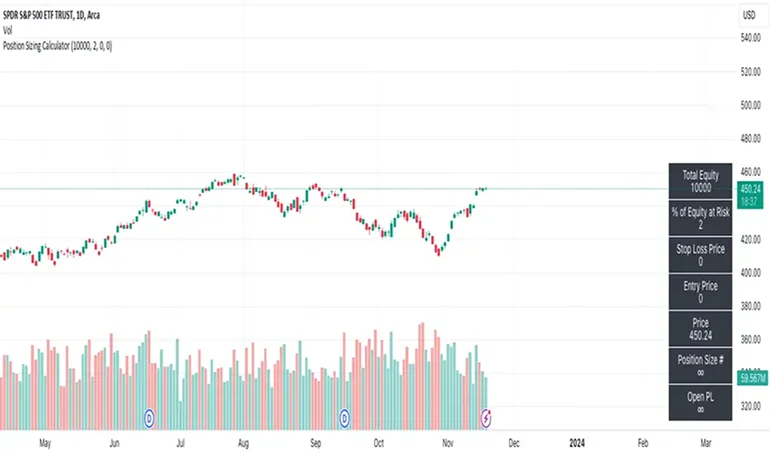
Effective position sizing is a cornerstone of risk management, ensuring that no single trade disproportionately affects overall capital. A common guideline is to risk no more than 1–2% of trading capital per trade. Position sizes should be calculated based on stop-loss levels to keep potential losses within acceptable limits.
Stop-Loss Placement
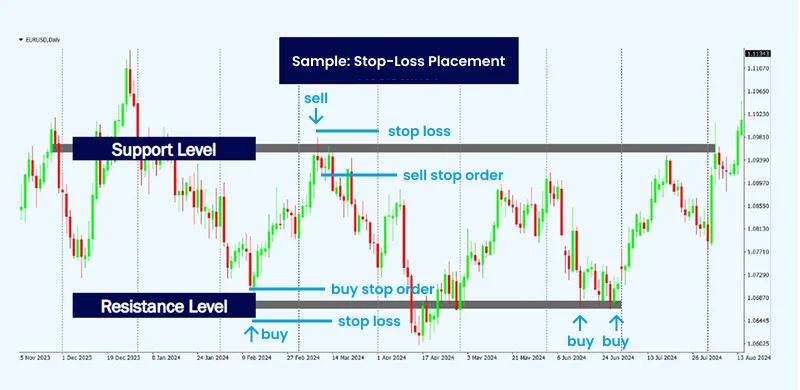
Strategic stop-loss placement is vital to protect against unnecessary losses. Rather than setting stops at arbitrary price distances, they should be positioned at key technical levels such as support or resistance zones to minimize premature stop-outs. Accounting for market volatility when determining stop distance helps avoid exiting trades too early. For added protection, traders may use guaranteed stop-loss orders, especially during major economic releases, to limit risk from sudden price gaps or extreme volatility.
Risk-Reward Ratios
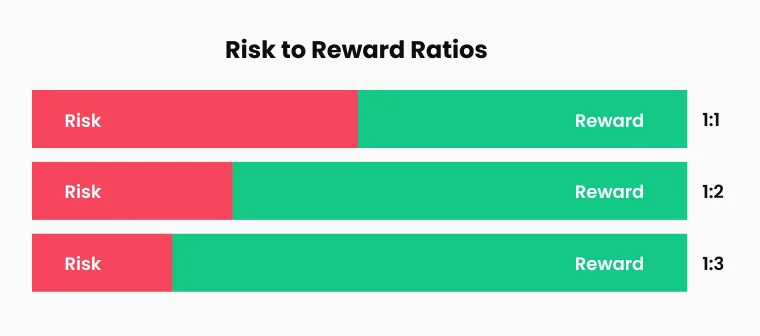
The risk-reward ratio is fundamental to long-term trading success. Traders often target a minimum ratio of 1:2, meaning risking one unit of capital to potentially gain two. Higher ratios, such as 1:3 or more, allow profitability even with lower win rates. Setting realistic profit targets based on current market conditions helps avoid holding positions for unrealistic gains. Some traders close partial positions to lock in profits while letting the remainder run to capture larger moves.
Correlation Risk
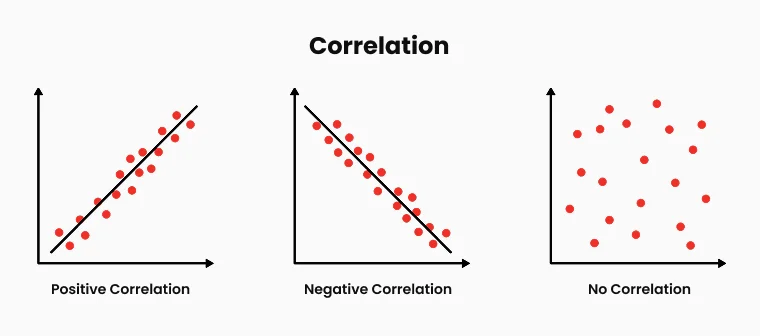
Managing correlation risk is essential to prevent excessive exposure to similar market movements. Holding multiple positions in highly correlated assets can amplify risk, as price moves in one instrument may directly affect others. Understanding correlations between asset classes—such as forex pairs, commodities, and indices—helps diversify exposure. Monitoring overall portfolio delta exposure ensures directional risks are balanced. Utilizing correlation matrices aids in identifying hidden market relationships, avoiding unintended concentration of risk.
CFD Trading Tips for Beginners
CFD trading requires more than selecting effective strategies; it demands discipline, market awareness, and ongoing education. Here are key tips to improve your CFD trading performance:
Start with a Demo Account: Begin by practicing CFD trading on a demo account. This enables you to familiarize yourself with trading platforms, test strategies, and understand market behavior without risking real capital.
Maintain Trading Discipline: Develop a detailed trading plan that outlines entry and exit criteria, position sizing, and risk management rules. Adhere strictly to your plan to avoid impulsive decisions driven by emotions.
Use Stop-Loss and Take-Profit Orders: Always implement predefined stop-loss and take-profit levels. These tools help manage risk effectively by limiting potential losses and securing profits when market conditions are favorable.
Stay Informed and Updated: Keep abreast of market news, economic indicators, and geopolitical developments that can significantly impact volatility. Use economic calendars to anticipate potential market-moving events.
Focus on Risk-Reward Ratios: Target favorable risk-to-reward ratios (at least 1:2 or higher) to ensure potential gains outweigh possible losses over time. This approach supports profitability even with moderate win rates.
Keep a Trading Journal: Record your trades, including the rationale behind each decision, market conditions, and outcomes. Regular review of your journal helps identify successful patterns and areas for improvement.
Regularly Review and Adjust Strategies: Markets evolve, and previously successful strategies may need modification. Continuously evaluate your performance and adapt your strategies to remain effective in changing market environments.
By incorporating these practical tips into your CFD trading routine, you can refine your market approach, enhance decision-making, and achieve greater consistency and success in your trading activities.