[TMGM Financial Breakfast] Markets Fear the Return of the Inflation Ghost as Oil and Gold Move in Opposite Directions
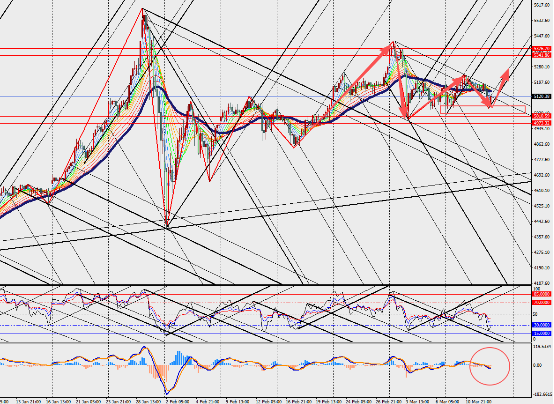
Gold is currently trading around the $5,100 level, with core pressure stemming from the dynamic imbalance between non-yielding assets and a rising yield environment. The U.S. 10-year Treasury yield climbed to around 4.23%, directly increasing the opportunity cost of holding gold.
Meanwhile, the U.S. dollar index is approaching the 100 mark, intensifying pricing pressure for overseas investors. Since gold is denominated in dollars, a stronger dollar effectively raises the purchasing threshold for global buyers. At the same time, crude oil prices have surged, breaking prior supply-demand balance expectations. Rising energy costs are feeding into the broader price system, increasing the probability of a prolonged inflation trajectory. These combined factors have made it difficult for gold to extend its previous gains, pushing it instead into a high-level consolidation pattern.

Although February U.S. consumer price index data showed some easing from historical highs, core inflationary pressures have not fully subsided — particularly amid the rebound in energy prices. Market expectations for the Federal Reserve’s policy path have shifted noticeably. Fed officials have broadly emphasized the need for caution, with the federal funds rate target range remaining unchanged. Expectations for rate cuts this year have been reduced to roughly one or two 25-basis-point moves, with the timing pushed further out.
This policy repricing has directly impacted the bond market, lifting yields and reinforcing the appeal of the dollar. Every $1 increase per barrel in oil prices could amplify overall inflation pressures by approximately 0.1–0.2 percentage points through supply chain transmission, potentially extending the duration of a high-rate environment. For gold, this implies persistently elevated real interest rates, which continue to weigh on its attractiveness as a hedging instrument.
Escalating tensions in the Middle East, particularly incidents involving tanker attacks in the northern Persian Gulf, have introduced tangible risks of global energy supply disruptions. Crude oil prices have surged more than 5% in the short term, reflecting not only immediate supply concerns but also reinforcing longer-term inflation expectations. Disruptions in maritime routes directly affect export flows from major oil-producing nations, and markets fear that such disturbances could persist for weeks or longer, embedding energy cost pressures into the global price structure.
Market Interpretation:
Gold, traditionally viewed as a safe-haven asset, would normally benefit from geopolitical uncertainty. However, in the current environment, the transmission effect of rising energy prices is dominating. Inflation concerns triggered by higher oil prices are outweighing pure safe-haven demand, leaving gold under short-term pressure. Investors must distinguish between short-term geopolitical risk premiums and the more persistent impact of macroeconomic fundamentals — the former may offer intermittent support, while the latter presents systemic headwinds.