

DXY rebounds as Iran hope trade unwinds: is the safe-haven bid back?
Priced for peace
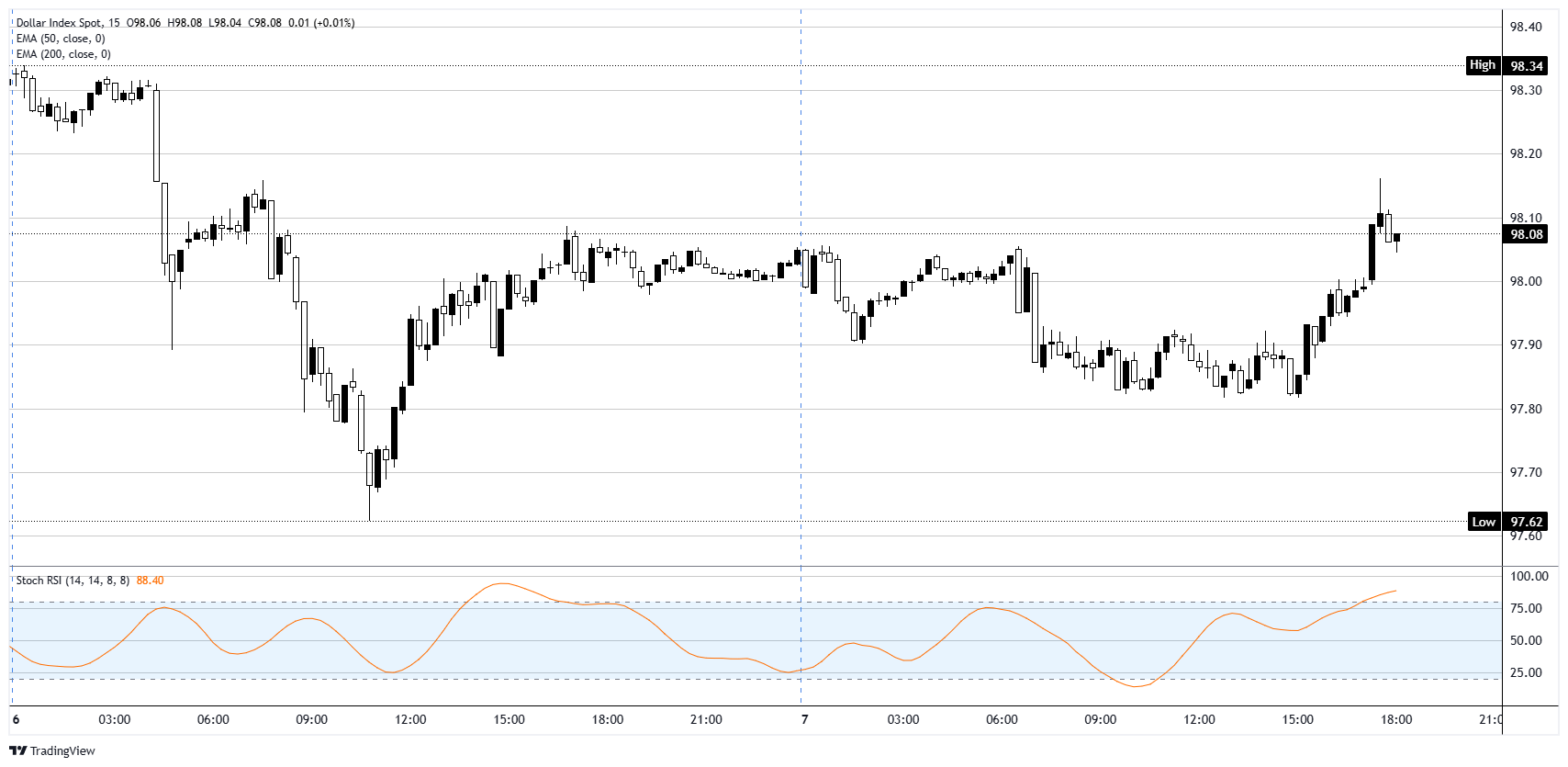
The morning belonged to the deal: Asia had ripped overnight, with the Nikkei 225 clearing 62,000 for the first time on a session that gained north of 5%, and US futures came in primed for another leg of the Iran ceasefire trade. The US Dollar Index (DXY) sagged toward 97.60, equities printed fresh intraday records, and West Texas Intermediate (WTI) Crude Oil cracked below $90, briefly tagging the $87 area. The setup was about as cleanly risk-on as it gets: traders sold safe havens and bid up anything geared to global growth, all in anticipation that Tehran would deliver its response to the latest US proposal via Pakistani mediators today. The one-page memorandum on the table would declare an end to the war and trigger a 30-day window for the harder questions, namely nuclear enrichment, frozen Iranian assets, and security in the Strait of Hormuz. President Donald Trump's "very good talks" comments overnight gave the trade its blessing. By midday, the safe-haven US Dollar (USD) bid looked, briefly, like a relic of a different war.
The fine print fights back
Then substance caught up with headlines; The same Trump talking up "very good talks" had warned earlier in the week of strikes "at a much higher level and intensity" if Iran fails to deliver, and Tehran's quiet condition, namely the lifting of the US naval blockade as the price of any further progress, started filtering back through the screens. The Islamic Revolutionary Guard Corps (IRGC) is still issuing public notices thanking captains for "complying with Iran's Strait of Hormuz regulations." The broader Project Freedom escort operation remains paused, but rumors are gathering speed that the Trump administration is angling to ramp it back up as quickly as they triumphantly announced its suspension. US gasoline at the pump is tracking near $4.54 a gallon, the highest since July 2022.
Add hawkish Federal Reserve (Fed) speeches from Collins and Hammack into the late-session bid, and the unwind was visible across the board: DXY pushed back above 98, WTI Crude Oil reversed back above $98, and the S&P 500 faded from its intraday record into the red. Risk-off has quietly walked back into the room. The hope trade had a window; reality closed it. Whether tomorrow's Nonfarm Payrolls (NFP) print, with consensus at a soft 62K versus 178K prior, extends the Dollar's reversal or hands the bears another reason to fade it is the question now sitting on every desk.
DXY 15-minute chart
Risk sentiment FAQs
In the world of financial jargon the two widely used terms “risk-on” and “risk off'' refer to the level of risk that investors are willing to stomach during the period referenced. In a “risk-on” market, investors are optimistic about the future and more willing to buy risky assets. In a “risk-off” market investors start to ‘play it safe’ because they are worried about the future, and therefore buy less risky assets that are more certain of bringing a return, even if it is relatively modest.
Typically, during periods of “risk-on”, stock markets will rise, most commodities – except Gold – will also gain in value, since they benefit from a positive growth outlook. The currencies of nations that are heavy commodity exporters strengthen because of increased demand, and Cryptocurrencies rise. In a “risk-off” market, Bonds go up – especially major government Bonds – Gold shines, and safe-haven currencies such as the Japanese Yen, Swiss Franc and US Dollar all benefit.
The Australian Dollar (AUD), the Canadian Dollar (CAD), the New Zealand Dollar (NZD) and minor FX like the Ruble (RUB) and the South African Rand (ZAR), all tend to rise in markets that are “risk-on”. This is because the economies of these currencies are heavily reliant on commodity exports for growth, and commodities tend to rise in price during risk-on periods. This is because investors foresee greater demand for raw materials in the future due to heightened economic activity.
The major currencies that tend to rise during periods of “risk-off” are the US Dollar (USD), the Japanese Yen (JPY) and the Swiss Franc (CHF). The US Dollar, because it is the world’s reserve currency, and because in times of crisis investors buy US government debt, which is seen as safe because the largest economy in the world is unlikely to default. The Yen, from increased demand for Japanese government bonds, because a high proportion are held by domestic investors who are unlikely to dump them – even in a crisis. The Swiss Franc, because strict Swiss banking laws offer investors enhanced capital protection.













