Why Do Gold Pips Matter?
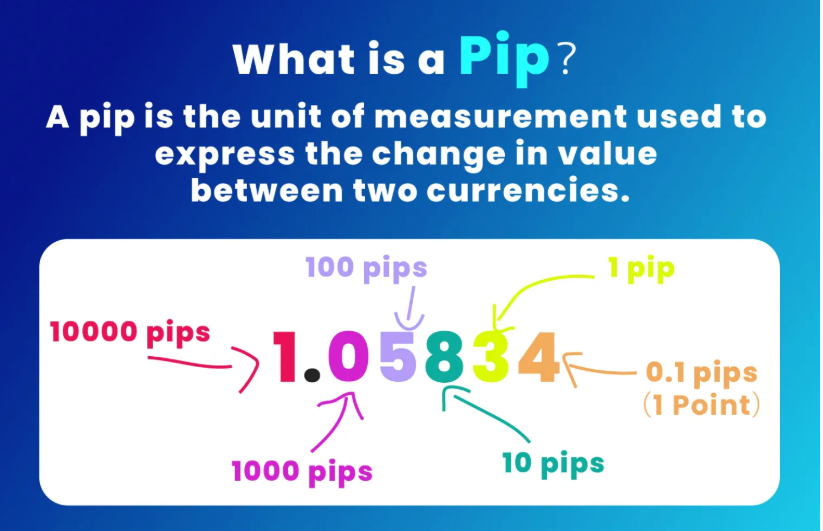
Defining Gold Pips: In gold trading, a pip represents the smallest price increment, typically at the fourth decimal place, though this can vary based on broker specifications.

Getting Started with Gold Pip Calculation
Price Point Basics: Gold is generally quoted in USD, with a standard contract size of 100 troy ounces.
Understanding Lots: Most forex brokers use standard lots for gold trading, where each lot equals 100 troy ounces.
Impact of Broker Platforms: The decimal precision in pip calculation varies among brokers, which affects the pip value.
Calculating Pip Value in Gold
Formula for Pip Value: The standard formula is:
Pip Value = (One Pip / Current Price) × Lot Size × Contract Size
For example, if gold is trading at $1,800 per ounce, a 0.01 price movement on a 100-ounce lot corresponds to a pip value of $1.
Using Leverage: Many traders employ leverage to increase their exposure, amplifying both potential profits and losses.

Tips for Tracking Gold Pips Effectively
Real-Time Tracking: Gold prices fluctuate continuously throughout the trading session.
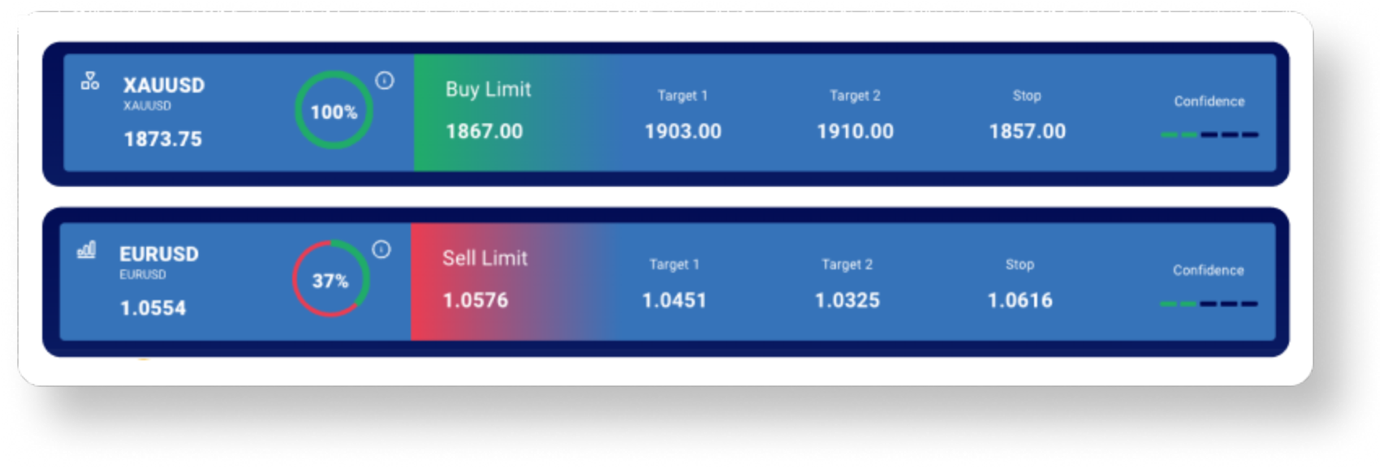
Set Up Alerts: Many trading platforms enable pip alerts to facilitate timely responses.
Use Chart Tools: Gold traders often utilize RSI and Fibonacci retracement tools to identify pip movements and potential trend reversals.
Key Factors Influencing Gold Pip Movements
Economic Indicators: Gold prices respond to inflation data, interest rate changes, and Federal Reserve policies.
Market Sentiment: As a safe-haven asset, gold demand increases during periods of market uncertainty.
Currency Strength: Since gold is priced in USD, fluctuations in the US dollar impact pip values.

Gold Pip Strategies to Consider
Scalping for Small Gains: Short-term traders, known as scalpers, capitalize on minor pip movements. This approach involves executing frequent trades throughout the day to capture small pip fluctuations.
Swing Trading for Trends: Swing traders focus on identifying broader market trends.
Long-Term Holding: Some investors consider gold a long-term asset, using pip data to guide entry and exit points.
Common Mistakes When Counting Gold Pips
Overlooking Broker Specifications: Pip calculation methods can vary between brokers.
Ignoring Lot Size: Always confirm the lot size involved in your trades.
Neglecting Risk Management: Disregarding risk-reward ratios may result in significant losses.

Thoughts on Mastering Gold Pips
Accurate gold pip calculation is essential for effective gold trading. By applying precise calculations and continuous monitoring, traders can manage their positions with greater accuracy.
Ready to deepen your understanding? Visit TMGM’’s Trading Calculator to evaluate gold pip values and better assess your trade impact.