Fragile U.S. & Iran Ceasefire Lifts Gold Slightly, CPI Data May Mark a Turning Point
Geopolitical developments in the Middle East remain a major driver of gold’s recent rebound. Although the U.S.–Iran ceasefire brokered by the Trump administration initially appeared to bring an end to six weeks of conflict, cracks have quickly emerged. Israel launched large-scale airstrikes on targets in Lebanon, resulting in over 300 casualties, directly threatening the durability of the agreement.
Iran has made it clear that any ceasefire must include Lebanon and has vowed not to overlook any attacks. Strong statements from Iran’s leadership have further heightened market tensions.

The situation in the Strait of Hormuz is particularly critical. The strait, which handles around one-fifth of global oil and LNG shipments, has seen only limited traffic in the first 24 hours after the ceasefire — far below the pre-conflict daily average of 140 vessels. Iran has reinforced its control by warning ships against entering its territorial waters, leading to one of the most severe disruptions in global energy supply.
While oil prices dropped sharply earlier in the week, they rebounded on Wednesday. These ongoing supply risks are not only fueling inflation expectations but also reinforcing gold’s appeal as a safe-haven asset.
Israeli Prime Minister Benjamin Netanyahu is reportedly seeking direct talks with Lebanon, focusing on disarming Hezbollah and establishing a peace framework. Meanwhile, Lebanon is pushing for a temporary ceasefire to initiate broader negotiations. Market participants generally believe that while the ceasefire initially supported gold prices, emerging tensions have led to a pullback from recent highs, though the metal has found support from a weaker U.S. dollar.
This geopolitical risk premium is a classic catalyst for gold’s long-term bullish trend. Historically, when conflicts escalate or key energy routes are disrupted, investors tend to turn to gold as a hedge against uncertainty — even if short-term inflation pressures from oil prices temporarily limit its upside.
On the macro front, U.S. Personal Consumption Expenditures (PCE) inflation rose 0.4% month-on-month in February and 2.8% year-on-year, in line with expectations. However, the March CPI data, due on Friday, is widely expected to show further increases. Elevated oil prices remain a major inflation risk, weighing on economic growth and limiting the Federal Reserve’s ability to cut rates.
Morgan Stanley analysts believe gold prices may remain stable in the second quarter of 2026, with a potential rebound in the second half of the year. If the Fed refrains from raising rates, gold is likely to gain support. At the same time, a gradual resolution of geopolitical tensions could shift market focus back to currency debasement risks.
As a non-yielding asset, gold typically faces pressure in a high-rate environment. However, the combination of geopolitical risks and inflation uncertainty is currently enhancing its defensive value.
Market Interpretation:
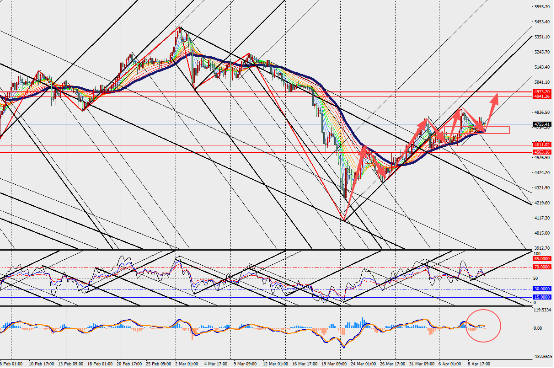
On the four-hour chart, gold is moving sideways, with MACD lines and volume bars expanding above the zero axis. From a broader perspective, gold’s recent performance is not an isolated event. Since 2025, gold prices have surged significantly, repeatedly breaking record highs.
Some analysts expect gold to challenge $5,000 or even higher levels in 2026. Continued central bank buying, inflows into gold ETFs, and persistent global trade and geopolitical uncertainties remain key structural drivers supporting the long-term bullish outlook for gold.