Key Takeaways
Immediate Settlement: Transactions settle "on the spot," usually within two business days (T+2), transferring actual ownership.
Capital Intensity: Traditional spot trading often requires 100% of the asset's value upfront, unlike leveraged CFD Trading.
No Expiry: Spot positions have no expiration date, allowing traders to hold assets indefinitely without rollover costs.
Market Depth: Spot markets offer the highest liquidity, resulting in tighter spreads and lower slippage than most derivatives.
Spot Markets vs. CFDs (Contracts for Difference)
Traders can conduct spot trades via Contracts for Difference (CFDs) to gain benefits that traditional ownership cannot offer. While traditional spot trading involves taking physical delivery of the asset, CFDs track the value of the asset without ownership.
Leverage & Market Exposure: Spot trading with CFDs allows you to employ Leverage (e.g., 30:1). This means you can gain greater market exposure with a smaller deposit (Margin), potentially amplifying profits. However, remember that leverage also amplifies potential losses.
No Physical Delivery: Unlike traditional investing, CFD positions settle in cash. This makes them extremely flexible and cost-efficient for short-term strategies like Scalping, as you avoid custody fees and complex settlement transfers.
Short Selling: Going "short" (betting on a price drop) is seamless with CFDs. In traditional spot markets, shorting requires borrowing the asset (complex and costly). With CFDs, you simply click "Sell."
Pro Tip: Spot CFDs are ideal for Day Trading because you avoid the "Cost of Carry" associated with holding physical assets, but be mindful of Swap Rates if you hold positions overnight.
How Spot Markets Work
The "Spot Price" you see on your terminal is derived from the immediate intersection of buy (bid) and sell (ask) orders in the order book. When you execute a trade, it is matched instantly, but the Settlement—the official transfer of cash and assets—occurs on a standardized cycle.
Forex: T+2 (Two business days after the trade).
Stocks: T+1 or T+2 depending on the exchange (e.g., NYSE is T+1).
Crypto: Immediate (T+0) due to blockchain finality.
Market participants in the spot market range from retail traders to institutional liquidity providers. This depth of participation ensures high liquidity, which minimizes Slippage—the difference between your requested price and the executed price. During high-impact news events (e.g., NFP release), even spot markets can experience "gapping," where price jumps over pending orders.
Spot Trading Approach: How to find trading opportunities
Finding a profitable entry point requires a blend of Technical Analysis (TA), Fundamental Analysis (FA), and strict Risk Management.
1. Technical Analysis (TA)
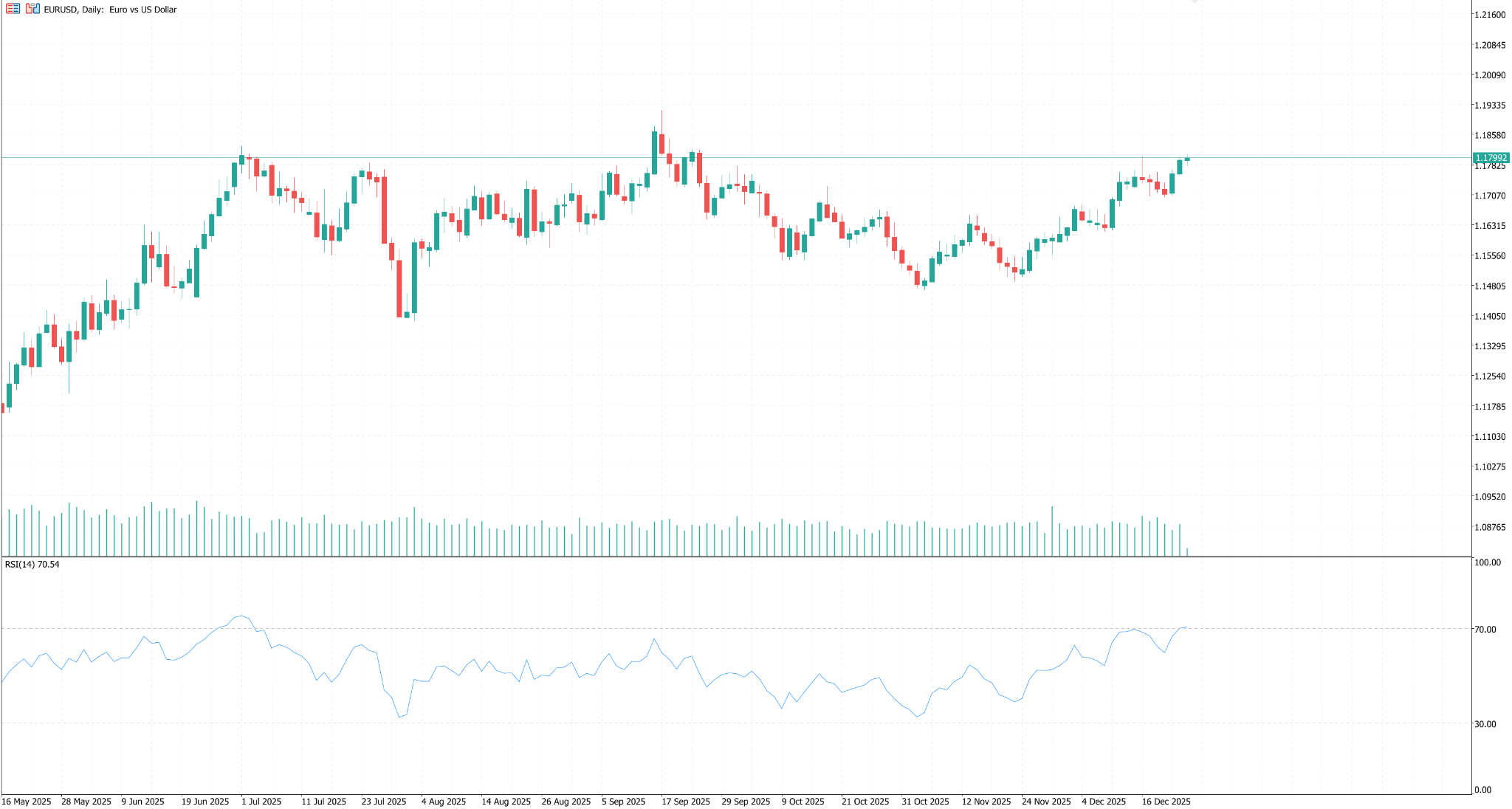
Use charts and statistical indicators to spot patterns and estimate future price moves.
Trend Identification: Apply Moving Averages (MA) to find the main direction. A common signal is the "Golden Cross," where a shorter MA (e.g., 50-day) crosses above a longer MA (e.g., 200-day), suggesting a buy setup.
Support & Resistance: Identify price levels where demand (support) or supply (resistance) is strong enough to reverse a trend. Buying near support and selling near resistance is a staple strategy for range traders.
Mean Reversion & Momentum Indicators: Use the RSI (Relative Strength Index) to flag overbought (>70) or oversold (<30) conditions. These extremes often precede a price reversal. A spot trader might wait for the RSI to dip below 30 and cross back up before entering, treating the dip as a temporary discount rather than a crash.
Volatility & Volume: Bollinger Bands help judge volatility; a breakout outside the bands signals a potential trend start. Always confirm with Volume Analysis—breakouts on high volume are statistically more dependable.
Order Flow Scalping: Scalpers ignore long-term trends and focus on the Level 2 Data (Order Book). They look for "walls" of buy orders that act as short-term support, entering and exiting positions in seconds to capture fractional price movements.
2. Fundamental Analysis (FA)

Assess the intrinsic value of the asset by reviewing economic drivers.
Economic Indicators: For Forex spot trading, watch GDP releases, Interest Rate decisions, and Inflation (CPI) data. These define the long-term trend direction.
News Catalysts: Track earnings reports (Stocks) or regulatory updates (Crypto). These events often act as catalysts for massive "Gap" moves in spot prices.
Market Sentiment: Gauge investor mood (Fear vs. Greed) using tools like TMGM’s Trading Central, which aggregates sentiment data to hint at potential turning points.
3. Strategy & Risk Management
Even the best analysis fails without a plan.

Prioritize Liquidity: Trade high-volume assets (like EUR/USD or Bitcoin) so you can enter and exit positions instantly without Slippage (moving the price against yourself).
Control Risk: Limit each position to 1–2% of your total capital. Always use Stop Loss orders to cap downside risk, regardless of how confident you are in the trade.
Diversify: Spread investments across different asset classes (e.g., Mix Crypto spot holds with Forex spot trades) to reduce reliance on a single market condition.
Important: While spot markets do not have "Margin Calls" in the traditional sense (since you aren't borrowing money), holding a stagnant asset ties up your Opportunity Cost compared to leveraged margin trading.
Step-by-Step: How to Place a Trade on TMGM

Executing a trade on the TMGM platform is designed for speed and precision, whether you are trading Spot FX or Spot CFDs.
Market Analysis: Open the MT4/MT5 terminal and use the Market Watch window to select your asset (e.g., XAU/USD). Check the spread to ensure liquidity is sufficient.
Define Order Type: Double-click the asset. Choose Market Execution for immediate entry or Pending Order (Limit/Stop) to enter at a specific price.
Risk Management: Input your Stop Loss and Take Profit levels immediately. Even in spot trading, defining your exit point before entry is mandatory to prevent emotional holding.
Execute: Click 'Buy by Market' or 'Sell by Market'. The trade will appear in your 'Terminal' window, where you can monitor real-time P&L.