

No soft target: Warsh vows to return inflation to 2%
The Fed left interest rates unchanged at 3.50%-3.75%, but the decision carried a distinctly hawkish edge as three officials voted for an immediate 25-basis-point increase. Chair Kevin Warsh reinforced that message, insisting there was no tolerance for a softer inflation target and warning that the Fed would not hesitate to act.
Recap
The FOMC kept rates steady as expected, judging that economic activity continued to expand at a solid pace and that the labour market remained stable. Productivity growth and capital investment were described as strong, while inflation remained elevated, partly because of supply shocks in sectors including energy.
The 9-3 vote exposed a clear appetite for tighter policy within the Committee: Beth Hammack (Cleveland), Neel Kashkari (Minneapolis) and Lorie Logan (Dallas) all dissented in favour of raising rates by 25 basis points.
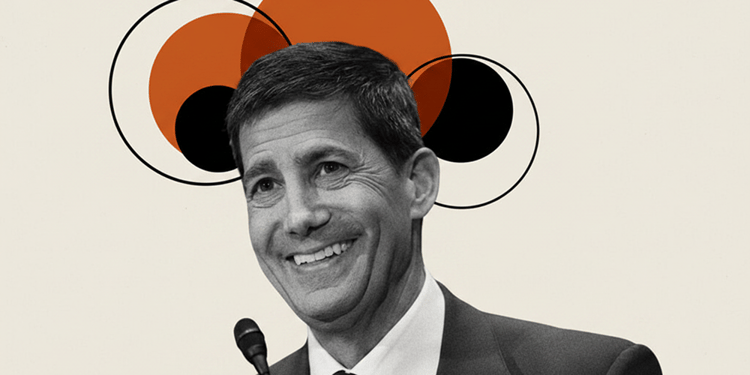
Warsh nevertheless sought to play down the divisions, describing the discussion as active and robust and arguing that the dissents did not capture its full substance. He said there was broad agreement on the difficult questions and expressed confidence that the current Committee was the right team to tackle high inflation.
His message on price stability was uncompromising. After five years of elevated inflation, Warsh acknowledged that the public may have come to believe the Fed was comfortable with inflation above 2%, but rejected that notion outright: there is only one target, and the Fed intends to deliver it.
At the same time, he avoided tying policy to a predetermined path. Warsh said the Committee was steering clear of forecasting and would instead focus on inflation trends, the extent to which supply shocks were spreading and the information coming from financial markets. Recent inflation data had offered some encouragement, but not enough to declare victory ahead of the next decision in seven to eight weeks.
Overall assessment
Hawkish hold. The Fed did not raise rates, but the three dissents, its emphasis on persistent inflation and Warsh’s readiness to act, left the door clearly open to tightening. Solid growth and employment also give policymakers room to remain focused on restoring price stability.
Fed FAQs
Monetary policy in the US is shaped by the Federal Reserve (Fed). The Fed has two mandates: to achieve price stability and foster full employment. Its primary tool to achieve these goals is by adjusting interest rates. When prices are rising too quickly and inflation is above the Fed’s 2% target, it raises interest rates, increasing borrowing costs throughout the economy. This results in a stronger US Dollar (USD) as it makes the US a more attractive place for international investors to park their money. When inflation falls below 2% or the Unemployment Rate is too high, the Fed may lower interest rates to encourage borrowing, which weighs on the Greenback.
The Federal Reserve (Fed) holds eight policy meetings a year, where the Federal Open Market Committee (FOMC) assesses economic conditions and makes monetary policy decisions. The FOMC is attended by twelve Fed officials – the seven members of the Board of Governors, the president of the Federal Reserve Bank of New York, and four of the remaining eleven regional Reserve Bank presidents, who serve one-year terms on a rotating basis.
In extreme situations, the Federal Reserve may resort to a policy named Quantitative Easing (QE). QE is the process by which the Fed substantially increases the flow of credit in a stuck financial system. It is a non-standard policy measure used during crises or when inflation is extremely low. It was the Fed’s weapon of choice during the Great Financial Crisis in 2008. It involves the Fed printing more Dollars and using them to buy high grade bonds from financial institutions. QE usually weakens the US Dollar.
Quantitative tightening (QT) is the reverse process of QE, whereby the Federal Reserve stops buying bonds from financial institutions and does not reinvest the principal from the bonds it holds maturing, to purchase new bonds. It is usually positive for the value of the US Dollar.













