Key Takeaways:
- Scalping is a high-frequency style that seeks many tiny intraday gains, relying on speed, tight spreads, and disciplined execution to compound small edges.
- It means placing dozens of rapid trades on minute-or-tick charts, where quick entries/exits and low latency aim to capture brief price spreads.
- Mechanics of Scalping depends on the narrow bid-ask spreads, high liquidity, and fast order routing, because delays or wide spreads can flip expected profits into losses.
- Core approaches include market-making, large-position “grab a few ticks,” and signal-based setups, each matched to liquidity, volatility, and clear exit rules.
- Useful indicators are moving-average “ribbons,” MACD, short-period RSI, Bollinger Bands, Fibonacci levels, VWAP, and depth/order-book cues for timing.
- Success typically requires DMA or lightning fast brokers like TMGM, stable low-latency platforms, Level 2 data, reliable hardware, and software that supports rapid order management.
- Risk controls focus on tiny per-trade risk (≈0.5–1% of capital), hard stop-losses, modest 1:1–1.5:1 targets, daily loss limits, and avoiding correlated positions.
- Common myths—such as “easy money” or “more volatility is better”—ignore costs, slippage, broker limits, and the need for strict process and consistent edge.
- A beginner roadmap is educate → simulate 1–3 months → start small live → document every trade → iterate rules → scale only after consistent statistics.
- Scalping fits traders with fast decisions, strong emotional control, time for peak sessions, and adequate capital/tech; otherwise, slower styles may be more suitable.
What Is Scalping?
Scalping is a rapid-fire trading strategy that involves executing dozens—or even hundreds—of trades in a single day to capitalize on tiny price movements. Unlike Swing Trading, which is more friendly to beginners and more commonly seen in stock trading, scalping is often used in CFD, forex, or crypto markets, where scalpers aim to build up small, frequent gains by reacting to intraday volatility with speed and precision. This technique requires strict discipline, low latency execution, and a deep understanding of market microstructure.
Traders who employ scalping techniques — scalpers — make numerous day trading transactions throughout a single trading day, sometimes executing hundreds of positions within hours.
The core philosophy behind scalping is simple yet powerful: accumulate small profits repeatedly while minimizing exposure to market risk. Rather than waiting for substantial price movements that might take days or weeks to materialize, scalpers capitalize on the constant minor fluctuations within minutes or seconds.
Historical Context of Scalping Trading
The practice of scalping in trading has evolved significantly over the decades. Before electronic trading, scalpers operated directly on trading floors, using hand signals and verbal communication to execute rapid trades. They relied on physical proximity to information sources and order flow to gain trading advantages.
With the advent of electronic trading platforms in the late 20th century, scalping transformed dramatically. The democratization of market access through online brokerages like TMGM and the development of sophisticated trading software have made scalping accessible to retail traders. However, institutional players still dominate high-frequency trading — the institutional equivalent of scalping.
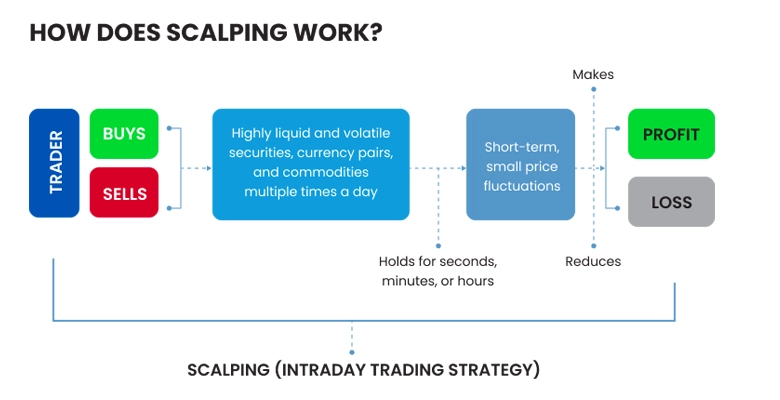
Figure 1: How Does Scalping Work?
How does Scalping Work?
How Scalping Works in Modern Markets
What is scalping in trading in practical terms? At its core, successful scalping relies on several key components.
Scalping requires rapid execution, as traders must enter and exit positions within seconds. Any delay in execution can turn a potential profit into a loss. To analyze price movements in near real-time, scalpers typically rely on one-minute or even tick charts, allowing them to make quick decisions based on small price fluctuations.
Unlike long-term traders who may incorporate fundamental analysis, scalpers focus almost exclusively on Technical Analysis like technical indicators, trend lines and price action. Their strategies are based on short-term market trends and patterns rather than broader economic factors.
Since profits per trade are small, scalpers must execute numerous trades to achieve meaningful cumulative gains, making high trading volume an essential strategy component.
Also, scalpers seek securities with minimal bid-ask spreads to reduce transaction costs. Tight spreads ensure that traders can enter and exit positions with minimal slippage, maximizing their ability to capture small price movements efficiently.
Modern scalping has been revolutionized by algorithmic trading systems, which can analyze market conditions and execute trades based on predetermined parameters at speeds impossible for human traders.
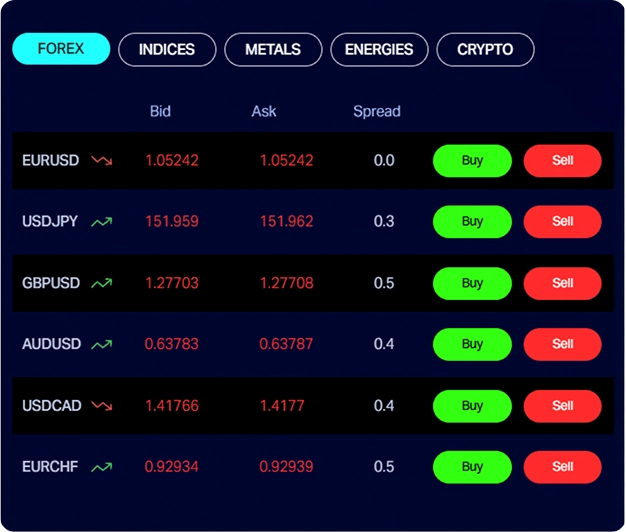
Figure 2: Bid-ask spread on TMGM.
The Role of Bid-Ask Spread in Scalping Trading
The bid-ask spread, which is the difference between the highest price a buyer is willing to pay and the lowest price a seller is willing to accept, is crucial in scalping.
Scalpers aim to capture all or part of this spread by:
Market Making: Placing buy and sell orders for the same security at slightly different prices, hoping to profit from the difference.
Momentum Scalping: Entering positions in the direction of short-term price momentum and exiting quickly once the momentum shows signs of waning.
Range Scalping: Trading bounces between established support and resistance levels within a tight trading range.
According to market data for 2024, the average bid-ask spread for high-liquidity stocks in major exchanges is approximately 0.01% to 0.05%, while less liquid securities may have spreads of 0.1% to 0.5% or higher. These differences are crucial for scalpers, as wider spreads directly impact profitability.
In-Depth Scalping Trading Strategies
Primary Scalping Approaches
What is scalping in trading without specific methodologies to tackle different scenarios? Traders employ three primary scalping strategies:
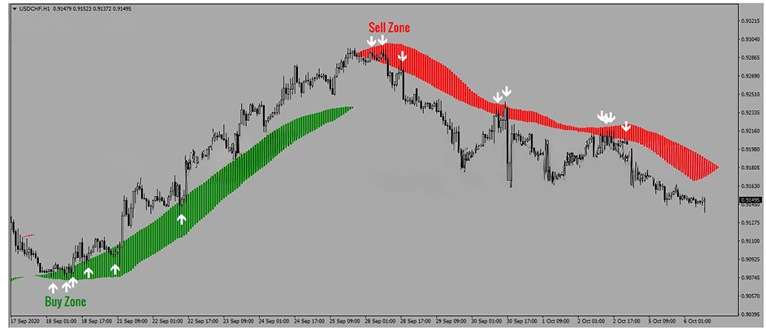
Figure 3: Scalping indicator
1. Market-Making Scalping Approach
This traditional scalping approach involves posting bids and askingk prices for a specific security. The scalper attempts to profit from the spread between these prices, essentially serving as a market maker.
Example: A scalper bids to buy 1,000 shares of Stock XYZ at $20.00 while simultaneously offering to sell 1,000 shares at $20.02. If both orders execute, the scalper makes a $0.02 profit per share, or $20 total (minus commissions).
This strategy works best with high-volume, low-volatility securities that trade in significant quantities without dramatic price fluctuations. However, it's challenging for retail traders to implement successfully due to competition from institutional market makers and high-frequency trading firms. 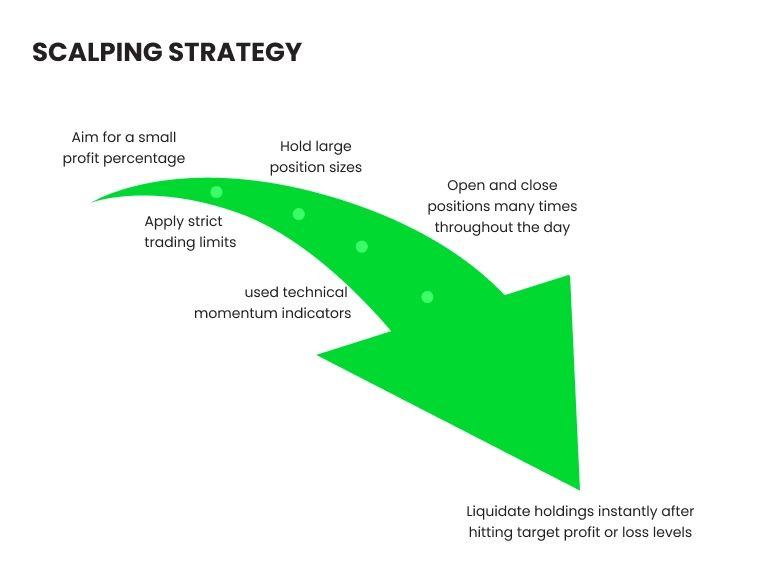
Figure 4: Scalping Strategy
2. Large-Position Scalping Strategy
With this approach, traders purchase significant quantities of security (often thousands of shares) and sell quickly after a small price movement in their favor.
Example: A trader buys 5,000 shares of Stock ABC at $15.00 and sells when the price reaches $15.03, making a $0.03 profit per share or $150 total (before transaction costs).
This strategy requires highly liquid stocks to allow for easy entry and exit of large positions without significantly impacting the market price. According to trading statistics from major exchanges, stocks with average daily volumes exceeding 1 million shares typically provide sufficient liquidity for this approach.
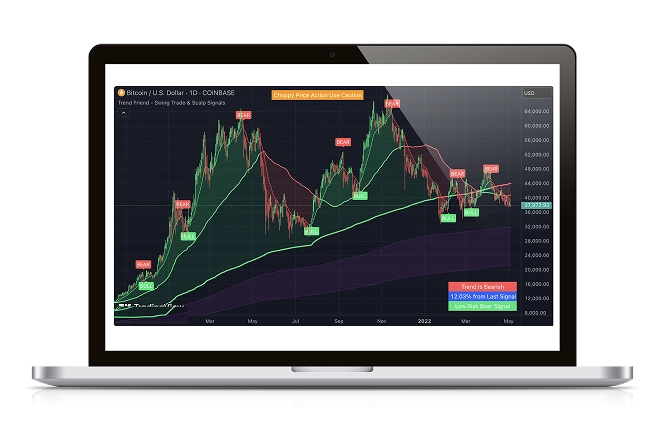
Figure 5: Swing trade & signal scalping indicator.
3. Signal-Based Scalping Strategy
This method aligns more closely with traditional technical trading but operates on compressed timeframes. Traders enter positions based on technical signals and exit when countersignals appear or when they've reached a predetermined profit target (often at a 1:1 risk-reward ratio).
Example: A trader notices a bullish engulfing pattern on a one-minute chart for Stock DEF, currently priced at $45.20. They enter a long position with a stop-loss at $45.15 (risking $0.05 per share). When the price reaches $45.25 (a 1:1 risk-reward ratio), they exit the position with a $0.05 profit per share.
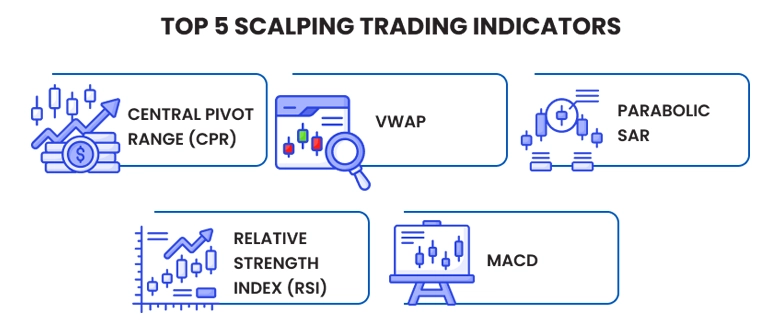 Figure 6: Top 5 Scalping Trading Indicators
Key Technical Indicators for Scalping Strategy
Effective scalping requires specialized technical tools designed for ultra-short timeframes. One of the most effective indicators for scalping is the Moving Average —which, when multiple are used, creates a 'ribbon' effect on charts, with crossovers providing clear entry and exit signals. MACD, an oscillator that shows the relationship between two moving averages, is also highly effective for momentum signals in scalping.
Another valuable tool is the Relative Strength Index (RSI), which is often modified to use shorter timeframes, such as a 2-period RSI instead of the traditional 14-period. This adaptation helps scalpers identify overbought and oversold conditions within very short intervals, allowing for quick decision-making. Bollinger Bands are also helpful, as these dynamic channels adjust to market volatility and can signal potential reversals when prices touch the upper or lower bands.
For identifying precise entry and exit points on rapid price movements, Fibonacci Retracement levels are also highly utilized by scalpers. By drawing Fibonacci levels from recent swing highs and lows on ultra-short timeframes (e.g., 1-minute or 5-minute charts), traders can pinpoint potential areas where price might pause, reverse, or find support/resistance. These levels (such as 38.2%, 50%, or 61.8%) offer confluence for quick trades, helping scalpers anticipate where a swift pullback might end before the trend resumes.
The Volume-Weighted Average Price (VWAP) is an essential indicator for intraday scalping. It helps traders determine whether current prices are above or below the average trading price weighted by volume, giving a clearer picture of market trends. Additionally, Market Depth Charts display current limit orders in the market, allowing scalpers to identify areas of support and resistance based on actual pending orders.
According to analysis of trading data from 2023-2024, the combination of VWAP and 2-period RSI showed the highest correlation with successful scalping trades across multiple asset classes, with win rates exceeding 60% for experienced traders.
Tools and Requirements for Successful Scalping Trading
Essential Trading Infrastructure for Scalping
Scalping in trading is not just about strategy; it also requires the right infrastructure to execute trades efficiently. One of the most important components is Direct Market Access (DMA), which allows scalpers to route orders directly to exchanges without intermediaries. This minimizes execution delays, ensuring that trades are placed quickly.
Another essential tool is Level 2 Market Data, which provides a complete view of the order book, displaying multiple bid and ask prices rather than just the best available prices. This insight into market depth helps scalpers anticipate potential price movements and make more informed trading decisions.
Additionally, low-latency connections are crucial, as even milliseconds can make a difference in scalping. Professional traders often invest in specialized internet connections and even go as far as co-locating their trading computers within the same data centers as exchanges to reduce lag.
Powerful hardware is also a necessity for serious scalpers. Multi-core processors, substantial RAM, and multiple monitors allow traders to process large amounts of market data simultaneously without performance bottlenecks.
Finally, specialized trading software plays a critical role, providing advanced charting capabilities, customizable indicators, and automated execution features that enhance the speed and accuracy of trades.
Industry surveys suggest that professional scalpers typically invest between $5,000 and $20,000 in their trading infrastructure, excluding brokerage deposits and ongoing data subscription fees.
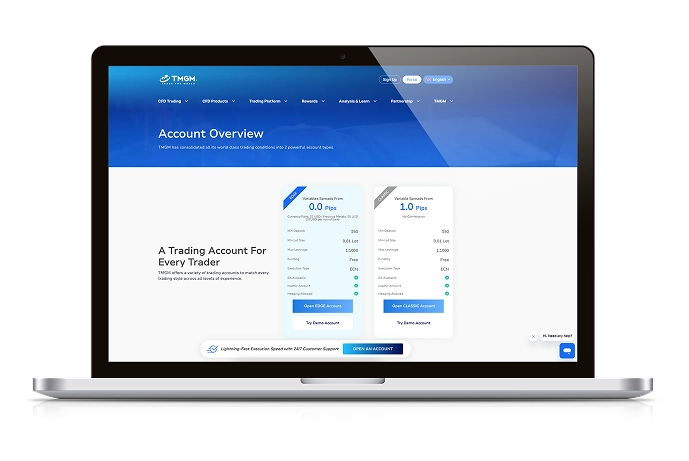
Figure 7: TMGM’s Accounts
Broker Selection for Scalping Traders
Choosing the right CFD broker is especially critical for scalpers, as various factors can directly impact profitability and trading efficiency. One of the primary considerations is the commission structure. Since scalping involves executing numerous trades within short timeframes, commission costs can quickly add up. Fixed-fee structures often benefit high-volume scalpers more than percentage-based commissions, providing more predictable costs per trade.
Execution speed is another crucial factor, as brokers vary widely in order execution times. For scalping, even a one-second delay can be detrimental, potentially turning a winning trade into a losing one. A broker with fast and consistent execution ensures scalpers can enter and exit positions with minimal slippage.
Platform reliability is equally important. System outages or slowdowns during periods of high market volatility can be disastrous for scalpers, who rely on split-second decisions. A stable and responsive trading platform is essential to maintaining efficiency and avoiding unexpected disruptions.
Margin requirements also affect a scalper’s strategy. Higher leverage can amplify profits and risks, and different brokers offer varying margin rates. Scalpers must carefully assess how much leverage they can use while effectively managing their risk exposure.
Ultimately, traders must verify that their broker permits scalping, as some explicitly prohibit or restrict this trading style, particularly in the forex market. Understanding a broker’s policies on scalping before opening an account helps avoid potential conflicts and ensures that the trading strategy aligns with the broker’s terms.
Recent trends show a shift toward commission-free brokers. Still, scalpers should be wary of hidden costs through wider spreads or payment for order flow arrangements, which can negatively impact execution quality.
Best Markets for Scalping Trading
Which Markets Are Best for Scalping?
While scalping can theoretically be applied across various financial markets, some environments are more conducive to this strategy than others.
Stock Markets
Equities markets offer numerous scalping opportunities, particularly in:
High-volume, large-cap stocks: Companies like Apple (AAPL), Microsoft (MSFT), and Amazon (AMZN) trade millions of shares daily with tight spreads, making them ideal for scalping.
ETFs: Exchange-traded funds like SPY (S&P 500 ETF) and QQQ (Nasdaq-100 ETF) combine high liquidity with moderate volatility, creating frequent scalping opportunities.
In 2023-2024, the average daily trading volume for the top 10 most liquid stocks on the NYSE and NASDAQ exceeded 20 million shares each, providing ample opportunities for scalping trades throughout the trading day.
Forex Markets
With its massive daily volume (approximately $7.5 trillion as of 2023) and 24-hour trading cycle, the foreign exchange market is especially popular for scalping. The most suitable currency pairs include:
Major pairs: EUR/USD, USD/JPY, GBP/USD, and USD/CHF offer the tightest spreads and highest liquidity.
Cross pairs: EUR/GBP, EUR/JPY, and GBP/JPY provide more volatility but with slightly wider spreads.
According to forex broker statistics from 2024, the average spread on EUR/USD during peak trading hours is approximately 0.1 to 0.3 pips, allowing for profitable scalping with proper risk management.
Futures Markets
Futures contracts, particularly those with high volume and standardized contract sizes, also attract scalpers:
E-mini S&P 500 futures (ES): One of the most liquid futures contracts globally, with tight spreads and consistent volatility.
Treasury futures: Contracts like the 10-Year T-Note futures (ZN) offer sufficient intraday movements for scalping.
Commodity futures: Gold (GC) and Crude Oil (CL) futures provide volatile conditions suitable for experienced scalpers.
Recent market data shows that the E-mini S&P 500 futures contract trades approximately 1.5 million contracts daily, with average intraday price movements of 0.5-1%, creating numerous scalping opportunities.
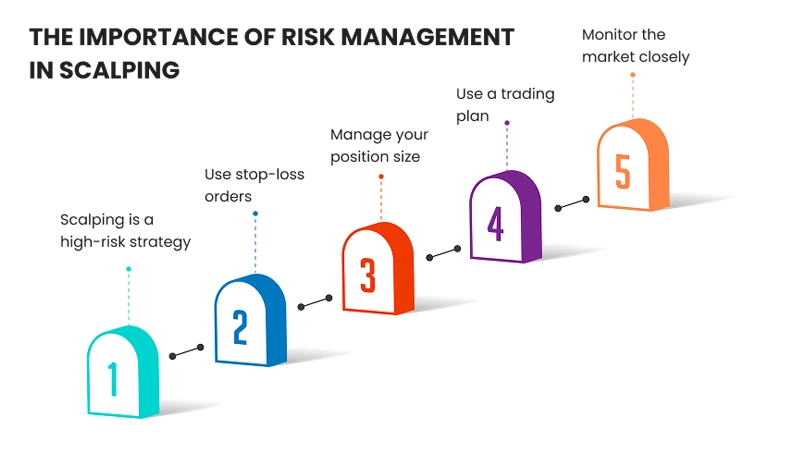
Figure 8: The Importance of Risk Management in Scalping
Risk Management Principles for Scalping Trading
Crucial Risk Controls for Scalping Traders
Perhaps more than any other trading style, scalping demands rigorous risk management due to its high-frequency nature and thin profit margins per trade. What is scalping in trading without proper risk controls? Simply gambling.
1. Fixed Position-Sizing Techniques
Successful scalpers maintain consistent position sizes rather than increasing size after winning streaks or "doubling down" after losses. A common approach is to risk no more than 0.5% to 1% of total trading capital per trade.
Example: With a $50,000 trading account, a scalper would risk a maximum of $250-$500 per trade, translating to specific position sizes based on stop placement.
2. Predefined Stop-Loss Orders
Hard stops should be placed immediately upon trade entry. For stock scalping, stops are typically set 2-5 cents away from entry, depending on the security's volatility and price.
According to performance data from professional trading firms, scalpers who consistently use predefined stops have survival rates 3-4 times higher than those who use mental or no stops.
3. Profit Targets in Scalping
Most successful scalpers use predetermined profit targets, often set at 1:1 or 1.5:1 reward-to-risk ratios. For example, with a 5-cent stop, the profit target would be 5-7.5 cents from entry.
4. Daily Loss Limits for Scalpers
To prevent catastrophic drawdowns, scalpers implement daily loss limits—typically 3-5% of account value. Once this threshold is reached, trading ceases for the day.
5. Trade Correlation Awareness
Scalpers must avoid multiple correlated positions that could amplify losses during adverse market movements. For example, scalping multiple technology stocks simultaneously could create excessive sector concentration risk.
According to analyses of professional scalping operations, the most consistently profitable scalpers maintain win rates between 65% and 75% with reward-to-risk ratios between 0.8:1 and 1.2:1, yielding modest but steady returns over time.
Common Misconceptions About Scalping Trading
Debunking Scalping Trading Myths
What is scalping in trading in reality versus perception? Several myths persist about this trading style:
Myth 1: Scalping Is Easy Money
Reality: While scalping can be profitable, it requires extensive knowledge, sophisticated tools, substantial capital, and intense concentration. According to brokerage statistics, the failure rate among beginning scalpers exceeds 90%.
Myth 2: Quick-Close Trades Guarantee Wins
Reality: Quick position closure limits the size of individual losses but doesn't guarantee overall profitability. Transaction costs, slippage, and the need for a high win rate create significant challenges.
Myth 3: Scalping Works Best in Volatile Markets
Reality: Extreme volatility often expands bid-ask spreads and creates unpredictable price jumps that can bypass stop orders, leading to larger-than-expected losses. Moderate volatility typically offers the best scalping conditions.
Myth 4: Scalping Is Illegal or Unethical
Reality: Legitimate scalping strategies are both legal and serve valuable market functions. However, certain deceptive practices (like spoofing or layering) that mimic some aspects of scalping are prohibited.
Myth 5: Any Broker Is Suitable for Scalping
Reality: Many retail brokers have specific policies against scalping, particularly in forex markets, and may restrict accounts that exhibit scalping behavior. Specialized brokers with direct market access are typically required.
Scalping Trading 101: A Roadmap for Beginners
Developing Scalping Skills
For traders interested in learning what is scalping in trading in practice, a structured approach is essential:
Education First: Before risking capital, thoroughly understand market mechanics, order types, technical analysis, and the specific characteristics of your chosen market.
Platform Mastery for Scalping: Develop automated muscle memory with your trading platform's order entry and management systems. In scalping, even seconds of hesitation can turn winners into losers.
Simulated vs. Live Scalping: Before committing real capital, spend 1-3 months paper trading your scalping strategy. During this phase, focus on process rather than outcomes.
Small-Scale Live Trading: To experience real market conditions without significant financial risk, begin with minimal position sizes—no more than 10-20% of your eventual target size.
Performance Analysis for Scalpers: Meticulously document every trade, analyzing patterns in winning and losing positions to refine your approach.
Incremental Scaling of Position Sizes: Gradually increase position sizes only after demonstrating consistent profitability over statistically significant sample sizes (typically 100+ trades).
Continuous Education for Scalping Traders: Markets evolve constantly, requiring scalpers to adapt. Allocate regular time to studying new techniques and market developments.
Educational resources tailored to scalping have proliferated recently, with specialized online courses, trading simulators, and mentorship programs focused exclusively on this trading style. These resources range in price from free YouTube content to premium programs costing $2,000-$5,000 or more.

Figure 9: What is Scalping?
Is Scalping Right for You?
Personal Suitability Assessment for Scalping
Not all traders are temperamentally suited for scalping. Before committing significant resources, consider:
Attention Span: Can you maintain intense focus for extended periods without distraction?
Decision Speed: Are you comfortable making rapid decisions with incomplete information?
Emotional Resilience: Can you remain emotionally detached through sequences of winning and losing trades?
Analytical Mindset: Can you quickly identify patterns and anomalies in market data?
Technological Comfort: Are you comfortable with complex trading platforms and willing to troubleshoot technical issues?
Time Commitment: Can you dedicate consistent trading hours during optimal market periods?
Financial Resources: Do you have sufficient capital for trading, necessary infrastructure, and data feeds?
Psychological assessments used by proprietary trading firms suggest that successful scalpers typically score high on tests measuring working memory capacity, visual processing speed, and emotional stability under pressure.
Does Scalping Trading Fit Your Overall Strategy ?
To determine if scalping aligns with your trading goals and personal attributes, consider these final evaluation criteria:
Capital Adequacy for Scalping: Do you have sufficient trading capital (a recommended minimum of $25,000-$50,000) to withstand inevitable drawdowns and cover technology costs?
Time Availability for Scalpers: Can you dedicate focused trading time during optimal market hours, often requiring 4-6 hours of uninterrupted concentration?
Technical Resources & Platforms: Do you have access to the necessary trading infrastructure, including reliable high-speed internet, professional-grade platforms, and quality market data?
Learning Commitment for Scalping Skills: Will you invest hundreds of hours in education, simulation, and small-scale live trading before expecting consistent profitability?
Psychological Profile to succeed in Scalping: Do you possess the emotional discipline, rapid decision-making capability, and stress tolerance required for high-frequency trading?
Setting Performance Expectations: Are your profit expectations realistic, understanding that successful scalpers typically target 1-3% monthly returns on capital rather than dramatic gains?
If you can answer "yes" to most of these questions, scalping may be a viable trading approach worth exploring further. If not, alternative trading styles with different requirements better suit your circumstances and temperament.