Key Takeaways:
- Day trading is intraday speculation—involving opening and closing positions within the same trading day—to capture small price movements while maintaining strict risk control.
- Day Trading for Beginners can be challenging. Novices should select liquid markets and instruments that align with their timezone, capital, and risk tolerance to benefit from tighter spreads and manageable volatility.
- Employ a straightforward, testable trading plan—such as trend-following, support/resistance, scalping, mean-reversion, or news-driven strategies—with clearly defined entry and exit points and position sizing to limit potential losses.
- Practice using a demo account or a small live account and maintain a trading journal to validate your edge before scaling up your capital.
- Day trading suits disciplined traders who can maintain focus, dedicate time to monitor markets, and adhere to strict risk limits, rather than passive, set-and-forget investors.
- If you decide to proceed, start with small positions, follow written rules, use stop-loss orders, and avoid margin trading initially to build consistency before increasing trade size and risk appetite.

What is Day Trading?
In the fast-paced environment of day trading, a solid foundation and sharp instincts are critical. You need a strong understanding of trading principles, financial& trading terminology, and the specific nuances that differentiate day trading from longer-term investment strategies.
For example, understanding "gapping risk"—–the risk of significant overnight price gaps–—explains why day traders close positions before the market closes. Mastering popular chart types and technical indicators is also essential as you develop your day trading strategy.

Familiarize yourself with the various instruments you'll encounter. When day trading CFDs, you will be trading Contracts for Difference (CFDs), enabling you to potentially profit from both rising and falling markets. If you prefer stocks, it’s important to identify the most suitable shares or indices for day trading in the global markets you're interested in.
Day Trading For Beginners: What Should I Trade?
Selecting the appropriate market for day trading is critical and should align with your personal schedule (as some markets have fixed closing times), interests, trading capital, and risk tolerance.
- The forex trading market is known for its high volatility, liquidity, and leverage, as well as the wide range of currency pairs available, making it an attractive option for day traders.
- Shares are particularly popular among beginners. One of the key advantages of trading CFD shares is the ability to focus on specific stocks or sectors, enabling traders to make informed decisions based on market movements, which appeals to beginners.Day trading shares via CFDs also allows speculation on price movements without holding positions overnight.
- Day trading Indices is another popular choice, providing exposure to a basket of stocks rather than a single company.It's also a market with fixed trading hours, and traders using Indices CFDs typically avoid holding positions overnight. This helps diversify risk across multiple stocks instead of concentrating on one company.
Another essential component of your day trading toolkit is understanding the trading platform you'll use. MetaTrader 4 (MT4) and MetaTrader 5 (MT5) are widely used platforms that enable you to execute trades efficiently. Allocate time to learn the key features of your chosen platform.
Practical Day Trading Strategies for Beginners
Your success in day trading largely depends on the strategy you adopt. Below are some beginner-friendly strategies applicable across various CFD markets.
Trend Following Techniques in Day Trading
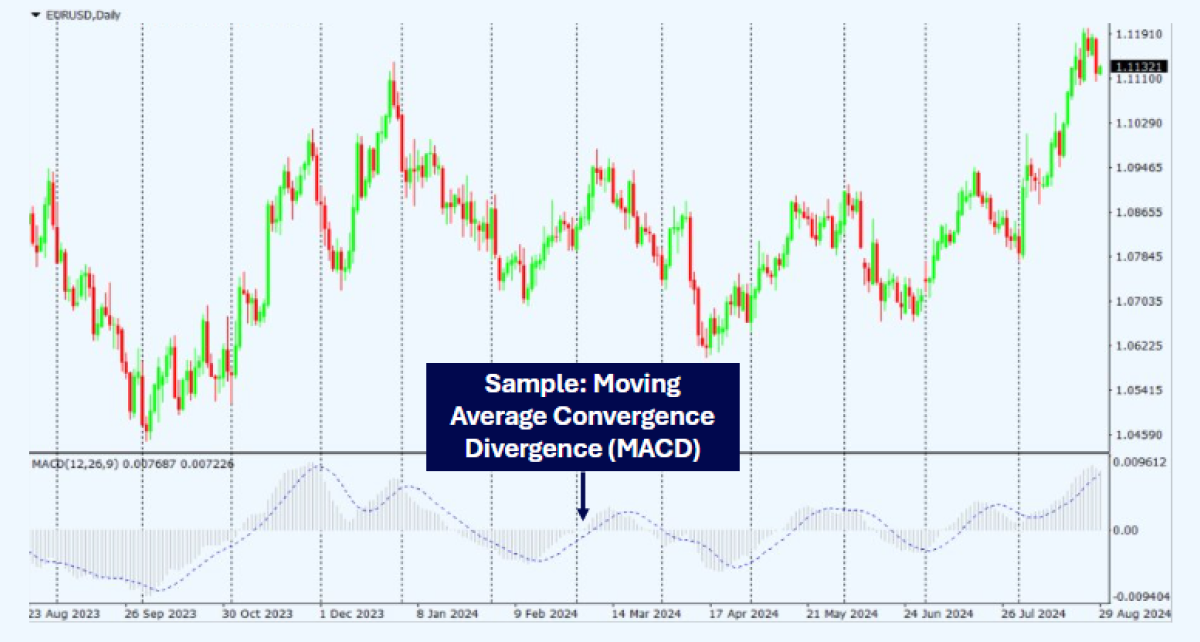
This approach involves analyzing the price direction of an asset and executing trades aligned with the prevailing trend. Indicators such as the Moving Average Convergence Divergence (MACD), Fibonacci Retracement and Relative Strength Index (RSI) can assist in identifying trends and optimal entry points.
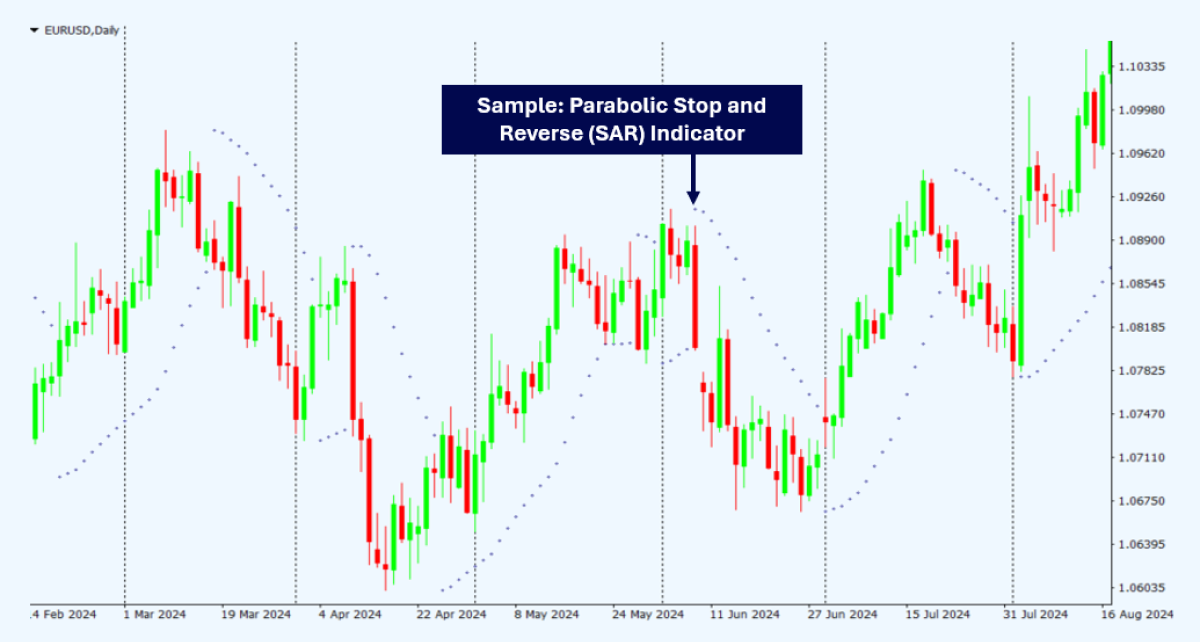
Support & and Resistance Levels for CFD Day Trading
Identifying support and resistance levels on price charts can help forecast future price movements. Effective use of this information starts with selecting the appropriate timeframe for your strategy, ranging from short intervals like 10 minutes or 1 hour to longer periods exceeding a week.
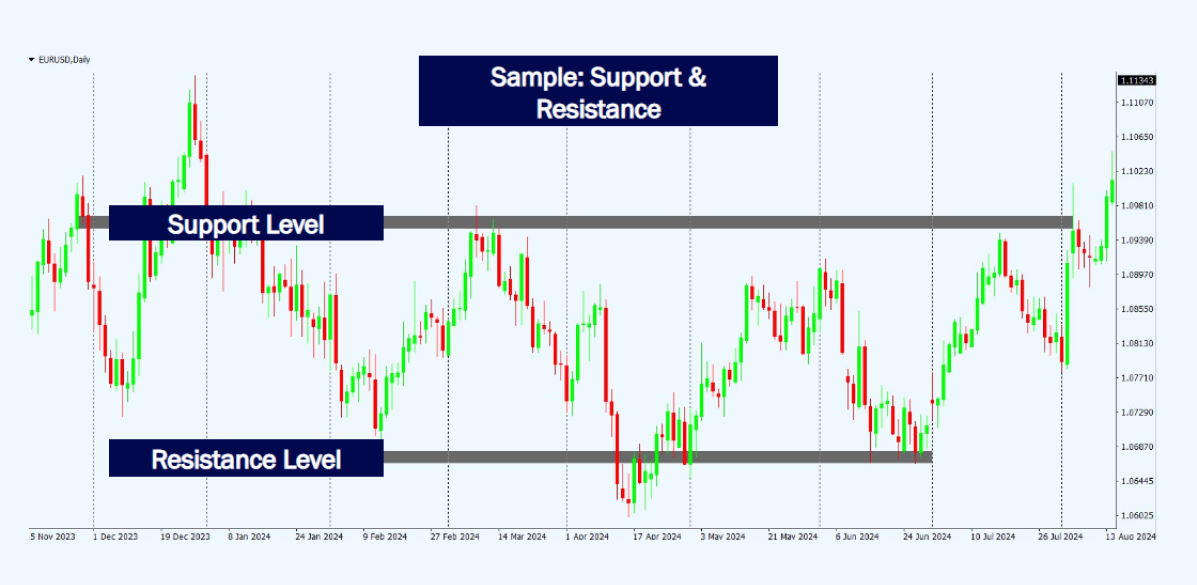
Scalping Strategies for Intraday Trading
Scalping is a technique focusing on executing numerous small trades throughout the day to accumulate profits. It demands a disciplined exit strategy and robust risk management to mitigate losses from overnight price fluctuations. Common indicators used in scalping strategies include moving averages, RSI, pivot points, among others, which you should familiarize yourself with before employing this method.
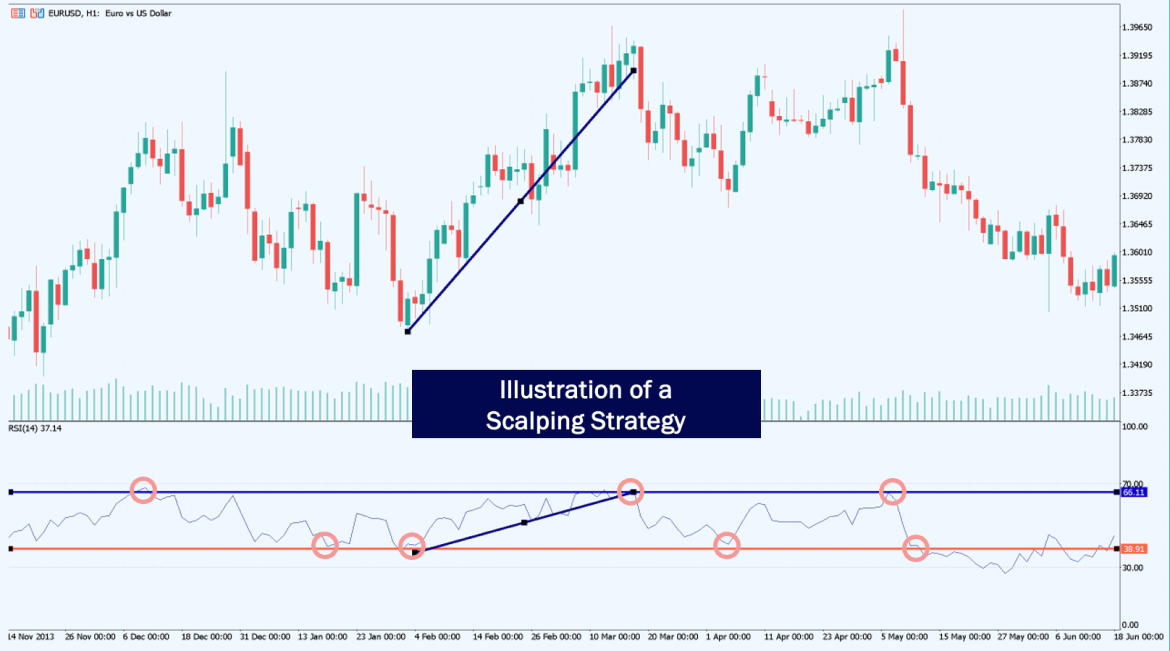
Mean-Reversion Strategy in Day Trading
The mean-reversion strategy is based on the premise that prices tend to revert to their historical averages. By analyzing moving averages, MACD, regression lines, and other indicators, traders can identify potential reversal points and position themselves to profit as prices return to expected ranges.
News Trading Tactics for Day Trading Beginners
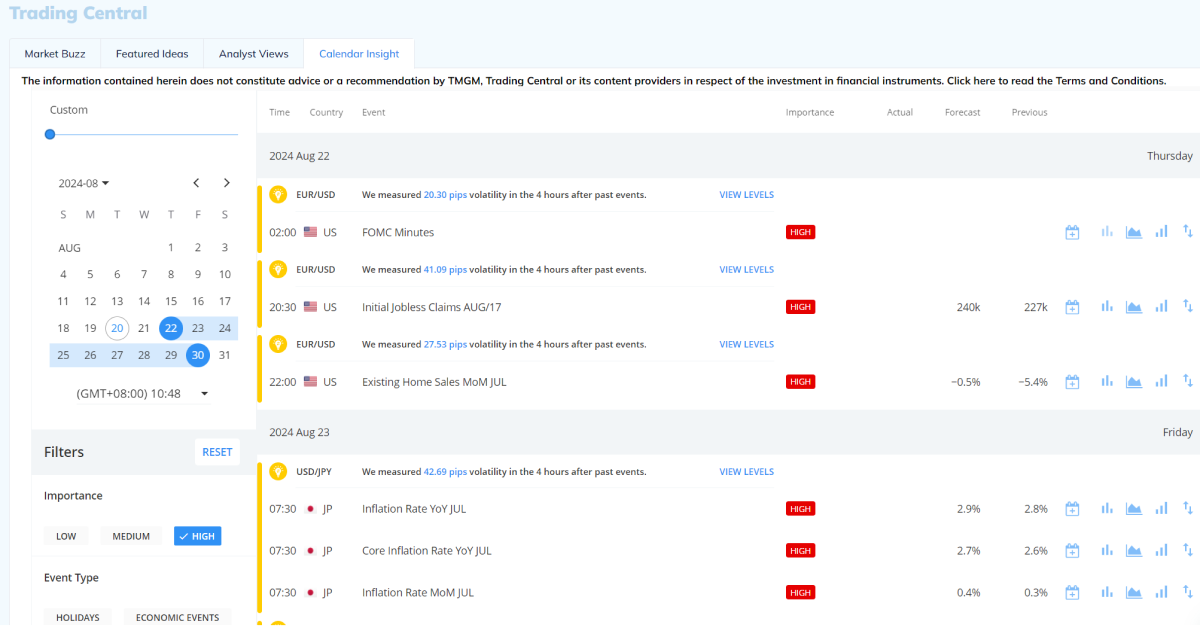
This approach involves trading based on scheduled economic news and market events. By staying informed about upcoming announcements and reacting swiftly to new information, you can capitalize on the volatility these events generate. Most financial news is scheduled in advance in the economic calendar(including economic releases, employment data, and corporate earnings reports).
When trading news, it's vital to understand how different assets react to specific announcements. For example, an intraday crude oil trading strategy will depend on different news factors compared to gold trading. Headlines impact indices and stocks differently; for instance, the S&P 500 is generally more sensitive to US economic data, whereas the FTSE 100 responds more to UK-specific news. Additionally, be prepared for unexpected news events that can cause sudden market volatility.
No strategy guarantees success, but applying risk management tools such as stop-loss orders can help safeguard your capital and control potential losses.
Practice Makes Perfect: Day Trading Simulations (Simulated Trading)

Before committing significant capital to day trading, consider practicing on a demo account or a live account with limited funds. This practical experience helps you develop the skills and confidence necessary to refine your day trading strategies.
Starting with small lot sizes and maintaining a trading journal to document your strategies, results, and insights is advisable. This approach will help you identify the most suitable assets and effective strategies, allowing you to scale your trading activities over time.

Is Day Trading Right for You?
Having covered the fundamentals, it’s time to assess whether day trading CFDs on'Forex, Shares, Indices, Energies, Gold, Silver, or Crypto, matches your skills and temperament. This demanding trading style requires discipline, focus, and a commitment to ongoing education. You're not simply investing funds to leave unattended; day trading requires constant market monitoring and timely decision-making.
If you're prepared to take on the challenge, begin with a modest investment and gradually increase your exposure as you gain experience. Remember, day trading can yield substantial profits but also significant losses, so it’s crucial to trade responsibly by setting realistic risk limits and never risking more than you can afford to lose.
Ready to Begin Your Day Trading Journey?
This guide has introduced you to the dynamic world of day trading CFDs, where you can explore various strategies across multiple markets. Although the timeframes are short, the opportunities can be extensive for disciplined and persistent day traders.
At TMGM, we're dedicated to providing day traders with an exceptional trading environment designed to help you seize opportunities quickly and confidently. Our team supports you at every stage. Whether you're new to trading or aiming to diversify your portfolio, we offer the expertise and resources you need to succeed and grow.
Remember: Trading CFDs involves risks, but with the right strategies, mindset, and tools, trading can be a rewarding experience. Let's work together to unlock your full trading potential.